Hey there! I’m a supplier of fiberglass tissue, and today I wanna chat about the different types of fiberglass tissue. Fiberglass tissue is a super versatile material, and knowing the different types can really help you pick the right one for your project. Fiberglass Tissue
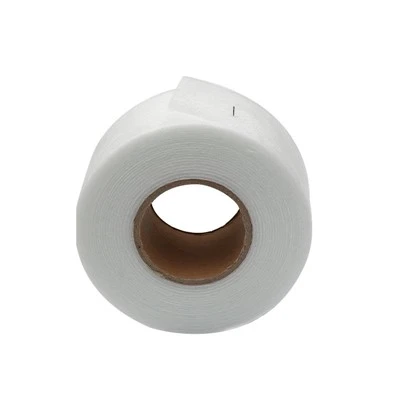
Chopped Strand Mat (CSM) Fiberglass Tissue
First up, we’ve got Chopped Strand Mat (CSM) fiberglass tissue. This type is made by randomly chopping fiberglass strands into short lengths and then laying them down in a mat-like structure. The strands are held together by a binder, which can be either a powder or a resin.
CSM is known for its high strength and excellent conformability. It can easily mold to complex shapes, making it a great choice for applications like boat hulls, automotive parts, and even some types of furniture. The random orientation of the strands gives it strength in multiple directions, which is really handy when you need a material that can withstand stress from different angles.
One of the downsides of CSM is that it’s a bit on the heavy side compared to some other types of fiberglass tissue. Also, the surface finish isn’t as smooth as some other options, so it might need some additional work if you’re looking for a really polished look. But overall, if you need a strong and flexible material, CSM is a solid choice.
Woven Roving Fiberglass Tissue
Next, let’s talk about Woven Roving fiberglass tissue. As the name suggests, this type is made by weaving continuous fiberglass strands together in a specific pattern. The most common pattern is a plain weave, where the strands cross over and under each other in a simple grid pattern.
Woven Roving is incredibly strong, especially in the direction of the warp and weft (the two main directions of the weave). It’s often used in applications where high strength is required, such as in the construction of wind turbine blades, aerospace components, and large industrial structures.
One of the advantages of Woven Roving is its high stiffness. It can maintain its shape well under load, which is important for applications where dimensional stability is crucial. However, it’s not as conformable as CSM, so it might be a bit more challenging to work with when you’re dealing with complex shapes.
Continuous Strand Mat (CSM) Fiberglass Tissue
Continuous Strand Mat (CSM) is another type of fiberglass tissue that’s worth mentioning. It’s similar to Chopped Strand Mat, but instead of using chopped strands, it uses continuous strands of fiberglass. The strands are randomly laid down and held together by a binder, just like in CSM.
Continuous Strand Mat offers a good balance between strength and conformability. It’s not as heavy as Chopped Strand Mat, but it still has decent strength, especially in the direction of the strands. It’s often used in applications where a moderate level of strength is required, such as in the production of fiberglass pipes, tanks, and some types of insulation.
One of the benefits of Continuous Strand Mat is its relatively low cost compared to some other types of fiberglass tissue. It’s also easy to work with, making it a popular choice for DIY projects and small-scale manufacturing.
Surfacing Mat Fiberglass Tissue
Surfacing Mat is a thin, lightweight type of fiberglass tissue that’s used primarily for improving the surface finish of fiberglass composites. It’s made by laying down a layer of very fine fiberglass strands in a non-woven pattern and then bonding them together with a resin.
Surfacing Mat is typically used as the first layer in a fiberglass laminate. It helps to fill in any small imperfections in the surface of the substrate and provides a smooth, even surface for the subsequent layers of fiberglass. This is especially important if you’re looking for a high-quality, aesthetic finish, such as in the production of boats, car bodies, and other consumer products.
One of the advantages of Surfacing Mat is its ability to absorb resin quickly and evenly. This helps to create a strong bond between the mat and the substrate, as well as between the mat and the other layers of fiberglass in the laminate. However, because it’s so thin, it doesn’t provide much structural strength on its own.
Needle Mat Fiberglass Tissue
Needle Mat is a type of fiberglass tissue that’s made by mechanically interlocking fiberglass strands together using needles. This process creates a dense, felt-like material that has good strength and flexibility.
Needle Mat is often used in insulation applications, such as in the construction of buildings, industrial equipment, and automotive components. It can also be used in some types of filtration systems, where its high porosity and good particle retention properties make it an effective filter medium.
One of the benefits of Needle Mat is its ability to conform to irregular shapes. It can be easily cut and shaped to fit the specific requirements of a project, making it a versatile choice for a variety of applications. However, like Surfacing Mat, it doesn’t provide much structural strength on its own, so it’s usually used in combination with other types of fiberglass tissue or materials.
Selecting the Right Type of Fiberglass Tissue
So, how do you choose the right type of fiberglass tissue for your project? Well, it really depends on a few factors.
First, consider the strength requirements of your project. If you need a high-strength material, then Woven Roving or Chopped Strand Mat might be the best choice. If you only need a moderate level of strength, then Continuous Strand Mat or Surfacing Mat could work.
Next, think about the shape and complexity of your project. If you’re working with complex shapes, then Chopped Strand Mat or Continuous Strand Mat might be more suitable because they’re more conformable. If you’re working with simple, flat shapes, then Woven Roving could be a better option.
Finally, consider the surface finish you’re looking for. If you need a smooth, high-quality finish, then Surfacing Mat should be used as the first layer in your laminate.
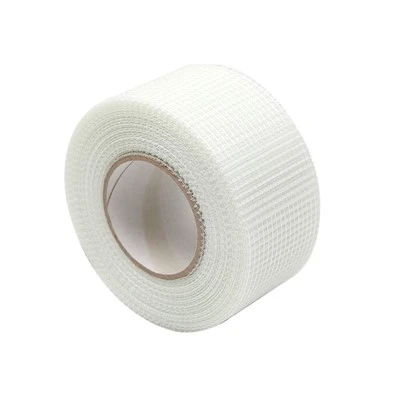
As a fiberglass tissue supplier, I’m here to help you make the right choice. If you’re not sure which type of fiberglass tissue is best for your project, just give me a shout, and I’ll do my best to assist you. Whether you’re a large-scale manufacturer or a DIY enthusiast, I’ve got the right fiberglass tissue for you.
Fiberglass Tape If you’re interested in purchasing fiberglass tissue for your project, don’t hesitate to reach out. We can discuss your specific needs, get you a quote, and arrange for delivery. I look forward to working with you to find the perfect fiberglass tissue solution for your project.
References
- "Fiberglass Composites Handbook." Author not specified, Publisher not specified, Year not specified.
- "Engineering with Fiberglass Reinforced Plastics." Author not specified, Publisher not specified, Year not specified.
Danyang Yonggu Building Materials Co., Ltd.
Danyang Yonggu Building Materials Co., Ltd. is one of the most professional fiberglass tissue manufacturers and suppliers in China, featured by quality products and good price. Please rest assured to wholesale customized fiberglass tissue made in China here from our factory.
Address: Danyang City, Jiangsu Province, P.R. China
E-mail: sales02@cnyongu.com
WebSite: https://www.ygfiberglass.com/
