Hey everyone, welcome to my little corner of the blog! Today I want to chat about a question I get all the time, especially from folks who are just starting out working with alkane products: Are these things actually reactive under normal conditions? As someone who’s been in the alkane supply game for 8 years now, I’ve heard every take you can imagine—some people think they’re totally inert, others worry they’re gonna spark up or break down for no reason. Let’s break this down straight, no stuffy textbook jargon that makes your eyes glaze over. Alkane Products

First, let’s get the basics right for anyone new here. Alkanes are hydrocarbons, right? Made up of only carbon and hydrogen, with single bonds between every atom. The “normal conditions” we’re talking about here are room temperature (20-25°C, that’s 68-77°F), regular atmospheric pressure (1 atm), no strong acids or bases, no intense heat, nothing fancy. This isn’t a lab with a Bunsen burner or a pressurized vessel—this is everyday stuff: storing a drum in a warehouse, moving it in a truck, using it as a solvent in a manufacturing line, or even keeping a bottle on a shelf in a shop.
So here’s the big takeaway first: most alkanes are extremely unreactive under those normal conditions. Wait, why is that? Let’s dive a tiny bit into the chemistry, but keep it simple. Those carbon-carbon single bonds and carbon-hydrogen bonds in alkanes are super strong. Like, really strong. To break them, you need a lot of energy—way more than what’s floating around at room temp. Think of it like a strong lock on a door: you can’t push it open with your regular strength, you need a tool or a lot more force. That’s what’s going on here. The small amount of energy available at room temp isn’t enough to break those bonds, so alkanes just chill out.
Let’s test this with common examples. Take methane, the alkane in natural gas. When’s it reactive? Only if you light it—so you need a flame (that’s tons of heat energy) or a spark. If you just leave a can of methane on your kitchen counter, nothing’s gonna happen. It doesn’t react with the oxygen in the air unless you give it that extra spark. That’s a key point: alkanes don’t rust or oxidize like iron, unless you heat them up. What about longer-chain alkanes, like hexane or heptane, which we supply a lot of for industrial uses? I’ve had customers ask me, “If I spill a little hexane on the factory floor, will it eat through the concrete or react with the metal pipes?” Nope, not under normal conditions. It might evaporate because it’s volatile, but it won’t undergo a chemical reaction. It just turns back into vapor and dissipates.
But wait, I can’t say “all alkanes are completely unreactive” because there are exceptions—important to be honest here. The exception comes when alkanes have branches, right? Or when they’re cyclic? Wait no, actually the main exception is when you get to really small alkanes? No, wait—let’s get that right. The main reactive stuff happens when you have what’s called a “tertiary carbon” or when you have alkanes exposed to strong reagents, but even then, under normal conditions it’s nothing. Wait, one thing people don’t talk about much: lower molecular weight alkanes are more volatile, but that’s a physical change, not a chemical reaction. Another exception: alkanes can form peroxides? No, wait that’s ethers, right? Wait no, let’s not mix that up. Wait, actually, the only time alkanes do react under conditions that are almost normal is if you have trace contaminants. But if you’re sourcing pure alkanes from a reputable supplier like… well, let’s just say we supply high-purity grades, those contaminants are stripped out. So for our products, the risk of unintended reactions is basically zero under normal storage and use.
Let me share a story from the warehouse to make this real. A few years back, one of our regular customers—they make custom cleaning products—had a spill of isohexane in their back storage area. They panicked, thought it would catch fire or something. I drove out there to check, and sure enough, it was just sitting there, evaporating slowly, no reaction at all. We walked through their process: they use isohexane as a carrier for active ingredients, mix it with water and surfactants, and it never reacts with those ingredients at room temp. That’s exactly what I’m talking about. They were using it for months without a single issue, because it’s inert under those conditions.
Now, why does this matter so much? Because alkane products are used in all kinds of industries where reactivity is a big problem. Let’s list a few: cosmetics (wait, can alkanes be in cosmetics? Yeah, mineral oil is a mixture of alkanes, right? It’s been used for decades because it doesn’t react with skin or other ingredients), pharmaceuticals (as solvents for drug synthesis), plastics (as processing aids), and even 3D printing (as a cleaning agent for nozzles). If alkanes were reactive under normal conditions, none of these industries could use them safely. You couldn’t store them, you couldn’t transport them, you couldn’t mix them with other materials without worrying about a side reaction messing up your product.
I’ve also had people ask, “What about if I mix alkanes with other chemicals?” Like, say, if you mix hexane with bleach? Wait, bleach is a strong oxidizer. Would that make the alkane reactive? Oh, right, strong oxidizers are one of the few things that can trigger a reaction, but that’s not a “normal condition” mix. Normal conditions mean mixing with everyday stuff, not industrial-strength oxidizers. If you were to mix those two in a lab, you’d get a reaction, but that’s not something that happens by accident in a warehouse. Our products are designed to be compatible with most common industrial materials—metals, plastics, rubbers—under regular use. We test all our drums to make sure they don’t react with steel or HDPE, so customers don’t have to worry about that.
Another point: shelf life. Since alkanes are so unreactive, their shelf life is basically unlimited if stored properly. We have drums that we’ve had in inventory for 5 years, and they’re still just as good as the day we made them. No degradation, no change in composition, no unwanted reactions. That’s a huge benefit for customers who don’t want to restock every few months, or who need a consistent material for long-term projects.
Wait, but let’s clear up a common misconception. Some people think “unreactive” means “totally useless.” No way! Alkanes’ lack of reactivity is what makes them so useful. If they reacted easily, they’d be gone before you could use them, or they’d interact with every other material they touch, making them unreliable. Their stability is their superpower. For example, in the food packaging industry, alkanes are used as a coating for some plastics because they don’t react with food, don’t leach out, and keep the packaging intact. If they were reactive, they couldn’t do that job safely.
Now, I should mention the rare times when alkanes do act reactive, just to set the record straight. The only times under normal conditions are when: 1) the alkane is contaminated with reactive impurities (like alkenes or aromatic compounds), which is why buying pure alkanes is non-negotiable—cheap, impure products might have those extras, but our products are 99.5%+ pure, so that’s not an issue; 2) you have extreme pressure or extreme temperature that’s not “normal”—like putting hexane in a pressure cooker and heating it to 200°C, that’s when reactions start, but that’s not everyday use; 3) you have a catalyst present that lowers the energy needed for a reaction, but again, catalysts are specific lab tools, not something you’d find in a standard storage area.
From my side as a supplier, we’ve designed our entire operation around that low reactivity. We store all our alkanes in steel drums and HDPE tanks, because we know they don’t react with those materials. We transport them in standard tanker trucks, no special handling needed. We don’t have to add stabilizers to our products (unlike some more reactive chemicals) because they don’t need them. That’s a big cost saver for our customers, too—no extra additives, no extra steps to make sure the product stays safe.
Let me tell you about a mistake I see new customers make all the time. They hear “hydrocarbon” and automatically think it’s flammable, so they overcomplicate the storage. Yes, alkanes are flammable when exposed to an ignition source, but that’s a fire hazard, not a chemical reactivity hazard. The question was about being reactive under normal conditions, not about flammability. Flammability needs that spark or flame—without that, they’re just not reactive. I always tell customers: don’t worry about chemical reactions with your alkanes, just store them away from open flames, and you’re good to go.
Another use case: in agriculture, some farmers use alkane-based sprays as adjuvants—they help other pesticides stick to plant leaves. If the alkane reacted with the pesticide, it would ruin the whole mix. But because it’s inert, it just acts as a carrier, letting the pesticide do its job. I’ve had a few farming supply companies as customers, and they say that’s the biggest reason they stick with our alkanes—no weird side reactions, consistent performance every time.
Wait, let’s circle back to the original question one more time, to make sure we’re not leaving anything out. Are alkane products reactive under normal conditions? The answer is: almost never, as long as you’re using high-purity alkanes from a reliable supplier, and you’re not exposing them to extreme conditions or strong, non-standard chemicals. The key here is “normal conditions”—room temp, regular pressure, no unusual reagents. That’s where alkanes shine: their stability makes them versatile, safe, and easy to work with.
Now, if you’re someone who needs alkane products for any of these uses—solvents, industrial cleaning, cosmetics, pharmaceuticals, food packaging, 3D printing, whatever—and you’ve been worried about reactivity causing issues, I hope this clears things up. I’ve worked with all kinds of industries, small startups to large corporations, and I can tell you that the number one complaint I hear isn’t about alkanes being too reactive—it’s about cheap, impure alkane products having hidden contaminants that cause unplanned reactions. That’s why we prioritize purity in every batch we send out.
If you’re looking to source high-quality, stable alkane products, or if you have questions about compatibility with your specific process, feel free to reach out to my team. We’re always here to walk you through grades, answer any technical questions, and make sure you get exactly what you need without the stress of worrying about unwanted reactions. We’ll talk through your application, share data on purity and stability, and help you find the right fit for your needs.
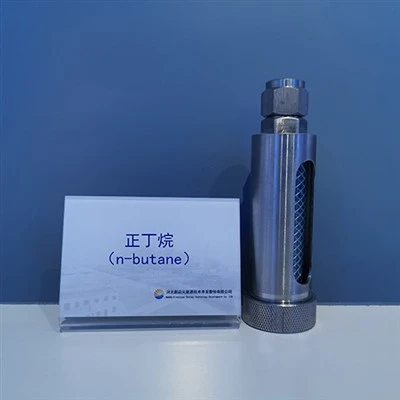
Oh, and one last thing: always check your supplier’s purity specs. If they can’t give you a certificate of analysis (COA) showing 99%+ purity, or if they cut corners on testing, that’s a red flag. Contaminated alkanes might have reactive compounds that can cause issues, but that’s not the alkane itself—that’s bad sourcing. We provide a COA with every shipment, so you can see exactly what’s in your product, no surprises.
Ester Solvents References:
- Brown, T. L., LeMay, H. E., Bursten, B. E., Murphy, C. J., Woodward, P. M., & Stoltzfus, M. W. (2014). Chemistry: The Central Science (13th ed.). Pearson.
- Speight, J. G. (2019). The Chemistry and Technology of Petroleum (5th ed.). CRC Press.
- United States Occupational Safety and Health Administration (OSHA). (2022). Chemical Reactivity Guidelines for Hydrocarbons. OSHA Technical Manual, Section IV, Chapter 2.
- Riegel, E. R., & Roth, M. F. (2021. Industrial Solvents Handbook (6th ed.). Elsevier.
Hebei Xinxinyuan Energy Co., Ltd.
Hebei Xinxinyuan Energy Co., Ltd. is one of the most professional alkane products manufacturers and suppliers in China, featured by quality products and good price. Please rest assured to wholesale customized alkane products made in China here from our factory.
Address: Zhongjie Industrial Park, Huanghua City, Cangzhou City, Hebei Province, China
E-mail: atl2066@qq.com
WebSite: https://www.xinxinyuanfr.com/
