Hey everyone, Veterinary API Raw Materials

If you’re reading this, chances are you’re either someone who works with veterinary API raw materials (that’s Active Pharmaceutical Ingredients, by the way—basic stuff, but worth spelling out clearly), or you’re vet pharma folks looking to source these materials safely. I’ve been in this game as a supplier for almost a decade now, and let me tell you—handling vet API raw materials isn’t like grabbing a bag of chicken feed from the local co-op. There’s a whole lot of risk here, and cutting corners on safety isn’t just a bad idea—it can get people hurt, animals exposed, and cost everyone way more in the long run.
A lot of folks new to vet APIs think, “It’s just a drug for pets or livestock, right? How hard can it be?” Wrong. These are concentrated, biologically active compounds—designed to change an animal’s body, which means they can do the same to humans if we’re not careful. I’ve seen small labs skip basic steps and end up with lab techs having minor allergic reactions, or batches of API that got contaminated because of improper storage, leading to a recall that shut down a farm’s production for weeks. That’s why we built our entire supply process around safety, not just because we’re nice—because it’s non-negotiable for us, and for anyone else in this space.
Let’s break down the actual precautions we take every single day, and what we tell our clients to do too, because safety isn’t just the supplier’s job—it’s a two-way street.
First up: PPE, but not the flimsy gloves they give you at a fast food joint. A lot of people grab the cheapest nitrile gloves and call it a day, but vet APIs aren’t regular chemicals. Depending on the API (say, an antibiotic used for livestock, or an anesthetic for dogs), you might need more than just gloves. Here’s the thing: we categorize our APIs by hazard level—low, medium, high. Low-level might be something like a vitamin supplement API, where basic nitrile gloves, safety glasses, and a lab coat work. But medium or high? We require full-body coveralls, respiratory protection (not just a dust mask—a proper N95 or higher, depending on the material), and even face shields if the API is a powder that can get in your eyes. I once had a client’s intern skip the respirator for a high-potency anti-parasitic API, and he ended up with a itchy, persistent rash that took two weeks to clear up. That’s a story we now tell every new client on their first order—no exceptions. Also, don’t forget about handwashing, but not just a quick rinse. We tell folks to use a industrial-grade soap that’s designed to break down pharmaceutical residues, not regular dish soap. And no eating, drinking, or even touching your face in the storage or handling area—obvious, but you’d be shocked how many people forget that.
Next: Handling raw materials properly, especially powders and liquids. A lot of vet APIs come as fine powders, which means they can become airborne super easily. If you’re scooping a powder into a mixer, you need a closed system—not an open bucket and a ladle. Back in 2019, we had a client who was manually transferring a high-potency API without a dust extraction system, and a cloud of powder got into the air. A lab tech breathed it in, and they had to get emergency medical care because the API was a type of steroid that can cause respiratory distress in high doses. Now, we include free dust extraction accessories with every bulk order for APIs that are prone to airborne spread—small thing, but it prevents so many issues. Also, for liquid APIs, you need to make sure any containers are sealed tight. Vet APIs can react with moisture or air, and if a bottle leaks, not only do you waste product, you’re exposing anyone nearby to the material. We test all our containers for leaks before shipping, but we also tell clients to inspect every delivery immediately—don’t just leave a pallet in the corner and open it a week later. If you see a leak, contact us right away—we’ll send a replacement and pick up the damaged material, no hassle.
Storage is another big one that people sleep on. A lot of vet APIs need specific temperature controls, and not just “keep cool”—some need to be stored at 2-8°C (that’s fridge temperature), others at -20°C, and some are fine at room temp. But even if the temp is right, you have to store them away from other materials, especially human pharmaceuticals or even food. We had a small animal vet clinic a few years back who stored their API raw materials in a closet next to their dog food, and when the API bottles leaked, the food got contaminated. That cost them not just the API, but the entire stock of dog food they kept for emergencies, and a lot of upset clients. So, storage rules: separate areas for vet APIs, clearly labeled with the API name, hazard level, and required storage conditions. No cross-contamination—meaning, don’t store a dewormer API next to an antibiotic API, because even small cross-contact can mess up both batches. And keep these areas locked, especially if you have kids or untrained staff around. We put lockable storage cabinets in every bulk order for high-hazard APIs, because keeping unauthorized people out is just as important as following the temp rules.
Contamination prevention isn’t just about storage—it’s about equipment too. If you’re using the same mixer for two different APIs, you have to clean it properly, not just wipe it down. We recommend validated cleaning processes—meaning, test the equipment after cleaning to make sure there’s no residue left from the previous API. A client we worked with last year skipped that step, and their final product ended up with trace amounts of a different API, which led to a recall of their dog vaccination line. That cost them hundreds of thousands of dollars, and their reputation took a hit. So, no cutting corners on equipment cleaning. We also provide cleaning guidelines tailored to each API we supply—what chemicals to use, how long to run the cleaning cycle, what to test for. It’s tedious, but it’s worth it to avoid recalls and unsafe products for animals.
Waste disposal is the final part that a lot of people miss. Vet API raw materials are hazardous waste, so you can’t just pour them down the drain or throw them in the regular trash. That’s not only illegal in most countries, but it’s bad for the environment—these APIs can get into water systems and harm wildlife. We work with a licensed waste disposal company, and we tell all our clients to do the same. Don’t try to dispose of API waste on your own. For small amounts, we provide free return labels for unused or expired API material—just send it back to us, and we’ll handle the disposal properly. It’s a small service, but it takes the stress out of that part for our clients.
Wait, one more thing—training. This is the biggest one, and so many companies skip it. If your staff doesn’t know what they’re handling, no amount of PPE or storage rules will work. We require that every client’s staff who works with our API materials completes a safety training course that we provide for free. It covers hazard identification, PPE use, emergency procedures (like what to do if someone gets exposed, or if a spill happens), and contamination prevention. I’ve seen companies spend thousands on new equipment and storage, but skimp on training—and that’s where accidents happen. For example, a spill: if someone doesn’t know how to clean a high-hazard API spill, they can make it way worse. We have step-by-step spill response plans for every API we sell, and training makes sure people actually read them. If a spill happens, first, evacuate the area if it’s a high-hazard material, then use the correct absorbent (not regular paper towels—use ones designed for pharmaceutical spills), then dispose of the waste properly. No running around grabbing whatever’s nearby.
At the end of the day, our job as a vet API supplier isn’t just to send you a box of materials. It’s to make sure you have all the tools, knowledge, and support to handle those materials safely, so your products are effective, and no one gets hurt. If you’re looking to source vet API raw materials, or you have questions about safety protocols for your operation, we’re here to help. Don’t take safety lightly—one mistake can have huge consequences, for your team, the animals you serve, and your business.
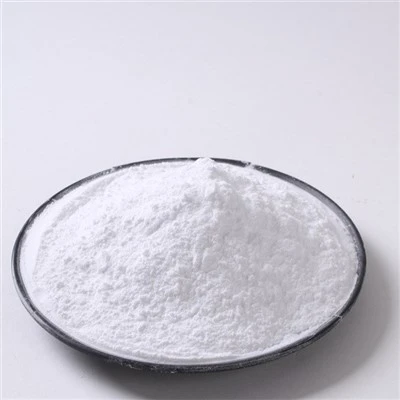
If you’d like to discuss your specific needs, reach out to our team for a consultation on safety protocols and API sourcing. We’re happy to walk you through every step to make sure your process is as safe as possible.
Male Health Raw Materials References:
- World Health Organization (WHO). (2022). Safety Guidelines for Handling Active Pharmaceutical Ingredients in Veterinary Settings.
- U.S. Food and Drug Administration (FDA). (2021). Veterinary API Raw Material Safety and Contamination Prevention Handbook.
- Occupational Safety and Health Administration (OSHA). (2020). Hazard Communication Standards for Pharmaceutical Manufacturing Workplaces.
- European Medicines Agency (EMA). (2023). Guidelines on Good Manufacturing Practices for Veterinary Active Pharmaceutical Ingredients.
Henan Jinyi Import & Export Co., Ltd.
Address: Block A, Building 3, No.7 Guoji Road, Jinshui District, Zhengzhou City, Henan Province
E-mail: 13838041990@163.com
WebSite: https://www.jyingredients.com/
