Replacing the battery in a police flashlight is a fundamental maintenance task that every law enforcement officer and flashlight enthusiast should be familiar with. As a reliable supplier of high – performance police flashlights, I’ve witnessed firsthand how a well – maintained flashlight can make a significant difference in the field. In this blog, I’ll walk you through the step – by – step process of replacing the battery in a police flashlight, offer some useful tips, and touch on the importance of using the right batteries. Police Flashlights
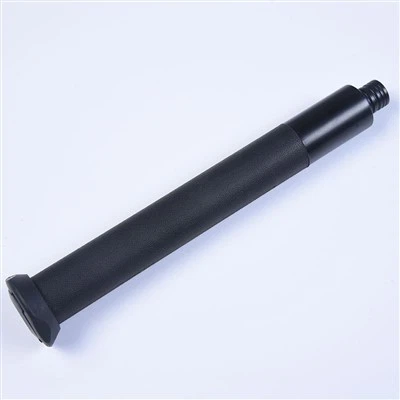
Why Battery Replacement Matters
Before we dive into the process, let’s understand why battery replacement is so crucial. Police flashlights are often used in critical situations where reliability is non – negotiable. A dead or weak battery can mean the difference between quickly identifying a suspect or navigating a dark area safely and being left in the dark. Regularly replacing batteries ensures that your flashlight is always ready for action. Additionally, proper battery management can extend the lifespan of your flashlight, saving you money in the long run.
Tools You’ll Need
- Correct Batteries: Make sure you have the right type and number of batteries as specified in your flashlight’s user manual. Common types for police flashlights include lithium – ion, alkaline, and rechargeable Ni – MH batteries.
- Clean Cloth: To wipe down the battery compartment and the contacts to prevent corrosion and ensure good electrical conductivity.
- Small Screwdriver (Optional): Some flashlights may have a screw – on battery compartment cover, so having a small screwdriver on hand can be helpful.
Step – by – Step Guide to Battery Replacement
Step 1: Power Off the Flashlight
This is a no – brainer, but it’s an important safety step. Always turn off the flashlight before attempting to replace the battery. This prevents any accidental electrical shocks and also protects the internal components of the flashlight from potential damage.
Step 2: Identify the Battery Compartment
Most police flashlights have the battery compartment at the back end, near the tailcap. However, some models may have a side – loading battery compartment. Refer to your flashlight’s user manual if you’re unsure.
Step 3: Open the Battery Compartment
If your flashlight has a screw – on cap, use a small screwdriver to loosen the cap in a counter – clockwise direction until it can be removed by hand. For flashlights with a twist – off or push – button release mechanism, follow the appropriate method to open the compartment.
Step 4: Remove the Old Batteries
Carefully take out the old batteries from the compartment. Pay attention to the battery orientation, as indicated by the plus (+) and minus (-) signs inside the battery compartment. If the batteries are stuck, use a clean, non – conductive tool to gently pry them out.
Step 5: Clean the Battery Compartment
Use a clean cloth to wipe down the inside of the battery compartment. Look for any signs of corrosion, such as white or greenish deposits on the contacts. If you find corrosion, you can use a cotton swab dipped in a small amount of vinegar to clean the affected areas. Rinse the contacts with distilled water and dry them thoroughly before proceeding.
Step 6: Insert the New Batteries
Insert the new batteries into the compartment, following the correct orientation. Make sure the batteries are seated firmly and that there is good contact between the battery terminals and the flashlight’s contacts.
Step 7: Close the Battery Compartment
Once the new batteries are in place, carefully re – attach the battery compartment cover. If it’s a screw – on cap, tighten it in a clockwise direction until it’s snug. For other types of covers, follow the appropriate closing mechanism.
Step 8: Test the Flashlight
Turn on the flashlight to make sure it’s working properly. If the light doesn’t come on, double – check the battery orientation and the tightness of the battery compartment cover.
Tips for Battery Replacement
- Keep Spare Batteries: Always carry spare batteries with you, especially when you’re on duty. This ensures that you’re never caught off – guard by a dead battery.
- Store Batteries Properly: Store batteries in a cool, dry place. Avoid exposing them to extreme temperatures, as this can affect their performance and lifespan.
- Dispose of Old Batteries Responsibly: Old batteries should be disposed of in accordance with local environmental regulations. Many recycling centers accept used batteries.
Choosing the Right Batteries
As a police flashlight supplier, I understand the importance of using high – quality batteries. Here are some factors to consider when choosing batteries for your flashlight:
- Battery Type: Lithium – ion batteries are popular for police flashlights because they offer high energy density, long shelf life, and good performance in a wide range of temperatures. Alkaline batteries are also a common choice, offering a good balance between cost and performance. Rechargeable Ni – MH batteries are a more environmentally friendly option, but they may have a lower energy density compared to lithium – ion batteries.
- Battery Capacity: The capacity of a battery is measured in milliampere – hours (mAh). A higher mAh rating means the battery can store more energy, which translates to a longer runtime for your flashlight.
- Brand Reputation: Stick to well – known battery brands that have a proven track record of reliability and performance.
The Role of a Good Police Flashlight Supplier
At our company, we’re not just about selling flashlights; we’re committed to providing comprehensive support to our customers. We offer detailed product information, including battery compatibility and replacement instructions, to ensure that our customers can get the most out of their flashlights. Our team of experts is always on hand to answer any questions you may have about battery replacement or flashlight maintenance.
Conclusion

Replacing the battery in a police flashlight is a simple yet essential task that can greatly enhance the performance and reliability of your flashlight. By following the steps outlined in this blog and using high – quality batteries, you can ensure that your flashlight is always ready when you need it most.
Police Taser If you’re in the market for a new police flashlight or need to restock on batteries, we’d love to hear from you. Our team is ready to assist you in finding the perfect lighting solutions for your needs. Whether you’re a law enforcement agency looking to equip your officers or an individual looking for a reliable flashlight, we have a wide range of products to choose from. Reach out to us to start a conversation about your procurement needs and let us help you make an informed decision.
References
- "Flashlight User’s Manuals" – Various manufacturers’ official documentation.
- "Battery Technology and Applications" – Academic and industry – related publications on battery knowledge.
Jiangsu Jiuan Police Equipment Manufacturing Co., Ltd.
Address: No. 9, Xihuan South Road, Jingjiang City, Jiangsu Province
E-mail: viola@jiuanpolice.cn
WebSite: https://www.japolice.com/
