Hey there! I’m a supplier of HJS OPS, and I’ve been getting a bunch of questions lately about whether it’s suitable for educational institutions. So, let’s dive right in and chat about this. HJS OPS
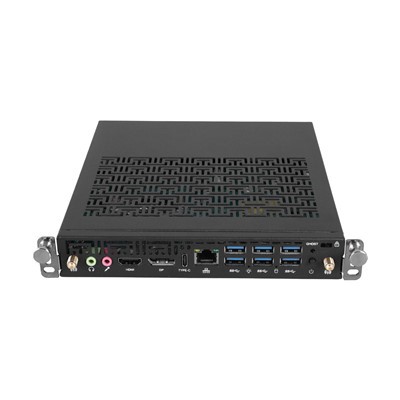
First off, what is HJS OPS? OPS stands for Open Pluggable Specification. It’s basically a small, modular computer that you can plug into compatible displays. The HJS version, well, it’s our take on this technology, and I believe it’s got some pretty cool features that could make it a great fit for schools, colleges, and other educational places.
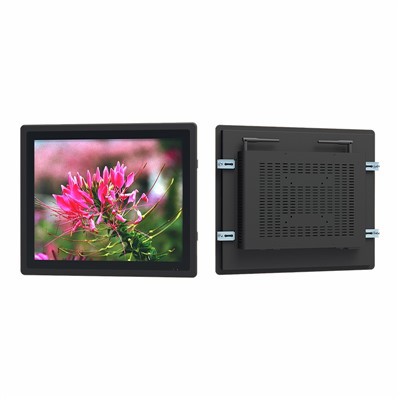
One of the biggest advantages of HJS OPS in an educational setting is its space – saving design. In classrooms, space is often at a premium. Traditional desktop computers take up a lot of room on desks. They’ve got big towers, monitors, cables everywhere. It can be a real mess! With HJS OPS, you can just plug it into the back of an interactive display or monitor. Boom! You’ve got a computer system that doesn’t take up any extra desk space. This means more room for students to spread out their books, notebooks, and other study materials.
Another plus is the ease of installation and maintenance. You don’t need a tech wizard to set up HJS OPS. Teachers or school IT staff can simply plug it in and get it up and running in no time. And if there’s ever an issue, swapping out a faulty OPS unit is as easy as changing a light – bulb. This reduces downtime and keeps the learning environment running smoothly. Teachers don’t have to worry about long periods of technical glitches interrupting their lessons.
Now, let’s talk about performance. HJS OPS comes with a range of configurations to meet different educational needs. For basic tasks like word processing, web browsing, and running educational software, the standard models offer more than enough power. For more advanced stuff, like 3D modeling in art or engineering classes, or running simulations in science courses, we’ve got high – performance options. Students can work on demanding projects without the computer slowing them down.
In terms of collaboration, HJS OPS is a real winner. Many educational institutions encourage group work and collaborative learning. With HJS OPS, multiple students can easily connect to a shared display. They can work together on a project, share ideas, and present their findings in real – time. It also supports multi – user setups, which is great for computer labs where several students need to access different resources simultaneously.
Cost – effectiveness is another important factor in education. Schools and colleges often have tight budgets. HJS OPS offers a cost – efficient solution. Since it’s a modular device, you only need to replace or upgrade the OPS unit when necessary, rather than the entire computer system. This can save a lot of money in the long run. And because it uses less power than traditional desktops, it also helps cut down on energy costs.
But what about security? In today’s digital age, keeping student data safe is crucial. HJS OPS has some built – in security features. It can support encryption to protect sensitive information. Additionally, since it’s a small, easily manageable unit, it’s easier to control access and monitor usage compared to a bunch of scattered desktop computers.
However, it’s not all sunshine and rainbows. There are a few potential drawbacks. One is that not all displays are compatible with HJS OPS. Schools may need to invest in compatible displays if they don’t already have them. This can add to the initial cost. Also, while the performance is generally good, for extremely resource – intensive applications, it may not be as powerful as a high – end desktop computer.
But overall, I think the pros far outweigh the cons. For educational institutions looking to modernize their classrooms, improve efficiency, and provide a better learning experience for students, HJS OPS is a solid option.
In primary schools, it can be used to introduce young students to technology in a fun and engaging way. Teachers can use interactive educational software on the OPS – enabled displays to make lessons more interesting. For example, in a science class, they can show 3D models of animals or plants, which is much more exciting than just looking at pictures in a book.
In high schools, students can use HJS OPS for research projects, writing papers, and running advanced software in subjects like math and computer science. And in colleges and universities, it can support graduate – level research and collaboration, especially in fields where every bit of desk space and performance matters.
If you’re an administrator, teacher, or IT staff member at an educational institution, and you’re thinking about upgrading your computer systems, I’d love to have a chat with you. We can discuss your specific needs and see how HJS OPS can fit into your educational setting. Whether it’s about the right configuration, the best way to integrate it into your existing infrastructure, or just getting a better understanding of the costs, I’m here to help.
So, don’t hesitate to reach out. Let’s talk about how HJS OPS can transform your classrooms and take your educational institution to the next level.
Customized OPS PC References:
- General knowledge of OPS technology and educational technology trends
- Internal product documentation of HJS OPS
Shenzhen HJS Technology Group
Shenzhen HJS Technology Group is one of the most experienced hjs ops manufacturers and suppliers in China, featured by quality products and good service. Please rest assured to buy CE approved hjs ops made in China here from our factory. For price consultation, contact us.
Address: F10, Wanhe Technology Building C, No. 7 HuiTong Road, Fenghuang Street, Guangming New District, Shenzhen. China.
E-mail: info@hjs-pc.com
WebSite: https://www.hjs-pc.com/
