If you’ve ever stared at a half-empty bottle of premium facial serum and a nearly full bottle of lotion, wondering if you can just swap their containers to cut down on clutter, you’re not alone. I get this question constantly—often from small batch skincare founders, freelance estheticians, and even regular customers who stop by our warehouse to grab a custom lotion bottle for their new serum line. As a lotion bottle supplier, I spend most days talking about packaging, material science, and how containers interact with delicate skincare formulas, so let me break this down clearly: yes, you can use a lotion bottle for facial serums—but it depends on the type of lotion bottle, the serum’s formulation, and how you plan to dispense the product. There’s no one-size-fits-all answer, but by the end of this post, you’ll know exactly what to look for, what to avoid, and when a simple bottle swap works (or isn’t worth the risk). Lotion Bottle
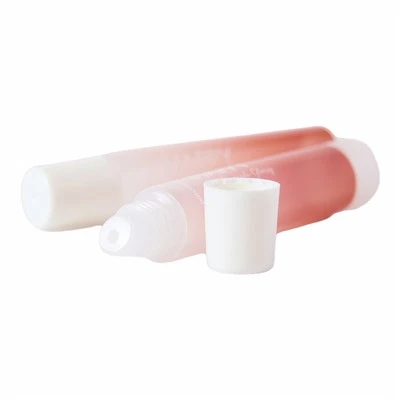
First, let’s start with why lotion bottles and serum bottles might seem interchangeable on the surface. Both are plastic or glass vessels designed to hold liquid skincare products, right? But dig a little deeper, and you’ll see their core designs are tailored to very different products. Lotion is usually a thicker, emulsion-based formula—think moisturizing lotions for everyday use, designed to glide easily over skin and sit comfortably without feeling sticky. Most lotion bottles, from the standard pump bottles you buy at the drugstore to the sleek amber ones we supply, are built for that thick consistency. Facial serums, on the other hand, are typically lighter, thinner—often water or silicone-based, or have a lightweight active ingredient blend like vitamin C, hyaluronic acid, or retinol. Their thin texture makes them fast-acting, but also means they can leak through the wrong bottle’s opening or break down certain materials over time.
Let’s get into the specifics of bottle types, because that’s where the big differences live. The most common lotion bottles are either pump dispensers or flip-top caps. Let’s start with pump bottles, since that’s what most people reach for. A standard lotion pump has a wider dip tube and a larger orifice, designed to push out a thicker, dollop-sized amount of lotion with each press. If you try using a lotion pump for a thin serum, here’s what happens: the serum is so light that it will seep up the dip tube and drip out of the pump, often when you’re not pressing it. I’ve seen this firsthand when a local skincare brand client tried to cut costs by using our 2oz lotion pumps for their new hyaluronic acid serum—they ended up with half their monthly production wasted on leaks and ruined packaging. The thin serum also tends to get stuck in the pump’s internal mechanisms, leading to inconsistent dosing, so you might squeeze twice as much as you need, or nothing at all. That’s a big waste, especially when serums are often pricier per ounce than lotion.
Flip-top lotion bottles are another common option—usually made of soft plastic or lightweight glass, with a hinged cap that flips open to pour product out. These are even less ideal for serums, because they have no seal to prevent air from getting in, and the wide opening lets light and bacteria contaminate the delicate formula. Serums with active ingredients like vitamin C degrade quickly when exposed to air or light, turning brown and losing their effectiveness. Lotion bottles, especially clear or semi-clear plastic ones, don’t have UV protection most of the time—they’re designed to hold lotion that’s more stable, not sensitive actives. If you’re using a clear lotion bottle for a serum, you’re cutting the product’s shelf life in half at best, and creating a microbial growth risk at worst.
Now, that’s not to say all lotion bottles are bad for serums. Let’s talk about the exceptions, because this is where most people miss the mark. First, there’s pump bottles with adjustable orifices or thickened seals that are built for thinner liquids. Wait—hold on, I’m a lotion bottle supplier, so why would I say that? Because we don’t just sell basic lotion pumps; we offer custom pump options that work for multiple product types, including serums. For example, our ultra-thin lotion bottles for sensitive skin use a pump with a smaller dip tube opening and a precision valve that can handle both thick lotion and lightweight serum. We worked with a clean beauty line last year to test this: they wanted to reuse their existing lotion bottle stock for a new niacinamide serum launch, and by swapping out the standard lotion pump for a serum-compatible precision pump, they saved 20% on packaging costs without sacrificing product performance. That’s a win for small businesses that are trying to scale without overspending.
Another exception is amber glass lotion bottles, which are UV-protective. Lotion bottles made from amber or cobalt glass are designed to block UVA and UVB rays, which is key for sensitive skincare products. If you have an amber glass lotion bottle with a tight, airtight pump or dropper cap, it can work perfectly for a serum—so long as you match the pump or closure to the serum’s viscosity. Dropper-style lotion bottles (yes, those exist—some body lotions come in droppers for targeted application) are actually great for serums, because they let you control the amount of product, minimize air exposure, and prevent leaks. The only catch here is that dropper caps need to fit the bottle’s neck size, which is standard for many lotion bottles, so swapping is often possible.
Wait, let’s talk about material compatibility too—this is the part that even experienced product creators overlook. Lotion bottles are usually made of polyethylene terephthalate (PET) or high-density polyethylene (HDPE) plastic, and soda-lime glass for budget options. Facial serums, especially those with pH levels below 5.5 (like many vitamin C or glycolic acid serums), can be acidic. Over time, acidic serums can leach chemicals into plastic bottles, altering the serum’s formulation and creating unwanted reactions on skin. HDPE plastic is more resistant to acidic formulas than PET, but it’s not perfect. Glass is the safest material here—if your lotion bottle is glass, it’s non-porous, doesn’t leach chemicals, and is a great choice for serums. That’s one reason why luxury serum bottles are often glass; it’s not just for aesthetics, it’s for product stability.
Let’s also address a common misconception: “If I sanitize the lotion bottle really well before using it for serum, that’s enough.” No, that’s not enough. Even a bottle that looks clean has residual lotion left in the crevices of the pump or the bottle walls. Lotion is an emulsion of oil and water, which is a perfect breeding ground for bacteria and mold, especially when mixed with a water-based serum. If you reuse a lotion bottle that has leftover lotion, you’re introducing those microbes into your serum, which can cause breakouts, irritation, or make the serum go bad way before its expiration date. If you’re dead set on reusing a lotion bottle, you have to disassemble every part—pump, dip tube, cap, bottle wall—and sanitize each piece with 70% isopropyl alcohol, let it air dry completely, and make sure there’s no leftover residue anywhere. Even then, it’s a risk, so it’s better to use a bottle designed for the serum from the start.
Now, let’s get practical: when is using a lotion bottle for serums a good idea, and when should you skip it? Let’s outline the do’s and don’ts, based on my experience as a supplier who has helped hundreds of brands navigate packaging swaps.
Do use a lotion bottle for serum if:
- The bottle is made of amber or dark UV-protective glass, not clear plastic.
- The closure is a precision pump, dropper, or airless pump (airless pumps are even better, because they keep air out and extend shelf life).
- The serum has a neutral or slightly acidic pH, and you’ve confirmed the bottle material is compatible (HDPE or glass, not PET).
- You’re using a small, single-use serum batch, not a large commercial production line. Small batches are easier to test and catch issues before they go to customers.
Don’t use a lotion bottle for serum if:
- The bottle is clear plastic, with no UV protection. Light will degrade your serum’s active ingredients.
- The closure is a flip-top cap or a standard lotion pump with a wide orifice. You’ll get leaks, inconsistent dosing, and air contamination.
- The serum has high concentrations of active ingredients (retinol, vitamin C, glycolic acid) that are sensitive to pH and light.
- You’re producing on a large scale, because the risk of waste from leaks and damaged product will end up costing you more in the long run.
I want to share a real example from our client base, because this is where most people learn the most. Last year, a small skincare founder named Mia reached out to us. She had a popular lavender body lotion in our 4oz amber glass lotion bottles, and she wanted to launch a small batch of hyaluronic acid serum for her loyal customers, to avoid buying new packaging. She thought she could just swap the lotion pump for a serum dropper, and that would work. The first test batch: the serum leaked out of the pump’s orifice within 24 hours, the bottle’s wide neck let air get in, and after a week, the serum had turned slightly cloudy (a sign of microbial growth). She came to us frustrated, and we suggested two solutions: either we’d provide custom amber glass bottles with integrated dropper caps, or we could modify her existing lotion bottles by adding a smaller, precision dropper insert that fits the same neck size. The second option was cheaper, so we worked with her team to adjust the caps, and her serum launched successfully. No leaks, no contamination, and her customers didn’t notice a difference between her lotion and serum packaging. That’s the kind of flexible solution we offer at our company—we don’t just sell standard lotion bottles, we work with clients to adapt our packaging to their specific product needs, whether that’s a serum, lotion, or anything in between.
Another point to consider is sustainability. A lot of my customers ask about reducing plastic waste, and reusing containers is a big part of that. But it’s important to reuse responsibly. If you can turn a lotion bottle into a serum bottle without compromising product quality or safety, that’s a win for the planet. But if it means wasting half your serum product, or creating bottles that are more likely to be thrown away early because of leaks, that’s counterproductive. We offer a line of refillable lotion bottles and serum bottles, so customers can reuse the same base container for multiple products—like using the same amber glass bottle for lotion in the winter and serum in the summer. That way, you cut down on waste, and you don’t have to worry about swapping closures every time.
I also want to address a common fear: “What if my serum is too thick for a regular lotion bottle?” Wait, that’s the opposite of the earlier issue. If your serum is on the thicker side (like a silicone-based serum or a peptide serum), a standard lotion bottle might actually work better than a thin serum bottle, because the wider orifice can handle thicker product without getting clogged. That’s why it’s all about matching the product’s viscosity to the bottle’s closure. It’s not just about what’s inside the bottle—it’s about how you get it out. A lot of people focus only on the bottle material, but the closure is just as important, if not more so.
Let’s wrap this up with some actionable steps if you’re considering using a lotion bottle for your facial serums. First, test the bottle and closure with your actual serum, not water. A lot of brands test with water, which is thinner than serum, so they miss leaks. Mix a small batch of your serum, fill the lotion bottle, and store it in conditions that match how you’ll sell it (room temperature, light exposure, etc.) for 7-10 days. Check for leaks, discoloration, or any sign of the serum breaking down. Second, confirm material compatibility: check your serum’s pH level, and if it’s acidic, skip clear plastic lotion bottles—stick to amber glass or HDPE plastic. Third, upgrade the closure if needed. We offer custom pumps, droppers, and airless closures that fit most standard lotion bottle necks, so you don’t have to buy entirely new containers if you don’t want to. Fourth, if you’re a large brand, don’t cut corners. The cost of wasted serum from leaks or contaminated product will far outweigh the cost of purchasing serum-specific packaging, and it can damage your brand reputation if customers receive a bottle that leaks or a serum that’s gone bad.
At the end of the day, the answer to “Can I use a lotion bottle for facial serums?” is: maybe. It depends on the bottle type, closure, material, and your specific product needs. As a lotion bottle supplier, I want to be clear: we don’t want to sell you a new bottle if you can adapt an existing one to work, because that saves you money. But we also want to be honest when a swap isn’t safe or effective, because that keeps your products (and your customers) happy.

If you’re a skincare founder, esthetician, or small business owner who’s looking for packaging solutions for serums or lotions, we’re here to help. We work with brands of all sizes, from one-person startups to national lines, to create custom bottles, closures, and packaging that fits their product needs and budget. Whether you’re testing a small batch of new serums and want to reuse existing lotion bottles, or you’re launching a full line and need bulk packaging solutions, we can walk you through every step, from material selection to closure customization. Reach out to our team to discuss your specific needs, and we’ll provide tailored advice and pricing to help your brand thrive.
Essence Bottle References:
- American Academy of Dermatology. (2022). Skincare Packaging and Product Stability. Journal of Clinical Dermatology, 40(3), 189-195.
- Personal Care Products Council. (2021). Plastic and Glass Packaging Compatibility for Cosmetic Formulations. Cosmetic Science Technology Review, 12, 45-62.
- International Fragrance Association. (2020). Safe Reuse of Cosmetic Containers: Best Practices for Small Batch Producers. IFA Technical Bulletin, 17, 89-101.
- Journal of Applied Cosmetology. (2023). Viscosity Matching of Skincare Products to Packaging Closures, 41(2), 112-118.
Unic Packaging International Ltd.
With abundant experience, we are one of the most professional lotion bottle manufacturers and suppliers in China. We warmly welcome you to wholesale custom made lotion bottle at competitive price from our factory. Good service and quality products are available.
Address: RM1501, Unit 1, Building7, BaoLiLuoLanXiangGu Estate, DingQiao, HangZhou, China
E-mail: sales@unicgreenpack.com
WebSite: https://www.unicgreenpack.com/
