If you’ve ever visited a job site, talked to a tile setter, or stood in a home improvement store’s wall treatment aisle, you’ve probably heard “backer board” thrown around as a non-negotiable base for tile, stone, or heavy surface installations. For years, I’ve supplied backer boards to contractors, renovation companies, and even DIYers who swear by them for wet areas like showers, backsplashes, and floor tiling. But one question I get more than any other—from first-time installers who’ve had bad experiences with cheap underlayments, and seasoned pros looking to upgrade their material choices—is this: Is backer board resistant to abrasion? Backer Board
It’s a fair question, too. Abrasion is a sneaky, cumulative problem that doesn’t show up right away. A scratch here from a dropped tile saw, a scuff there from a ladder leg shifting on a floor, or repeated wear from people moving furniture across a tiled backsplash can turn a brand-new installation into a patch-up job in a few years. As someone who’s tested hundreds of backer board batches and helped troubleshoot dozens of job site issues, I don’t just have a stock answer for this—I’ve seen abrasion resistance make or break a project. Let’s break this down, plain and simple, no industry jargon that doesn’t matter, and skip the sales fluff for a second to get to the real science.
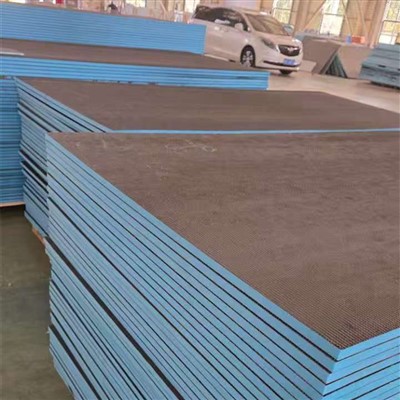
First, let’s define what we mean by “backer board” because it’s not a one-size-fits-all product. A lot of people lump cement backer board (the most common type I supply) in with gypsum board or fiberboard, but they’re totally different. Cement backer board—also called cement board— is made from a cement core reinforced with fiberglass mesh on both sides, with a rigid, non-combustible structure that’s way denser than drywall. There are also thinner, lighter backer boards for smaller projects, like those made from magnesium oxide or fiber-cement composites, but cement backer is the standard for high-wear areas.
Abrasion resistance, in material terms, is a measure of how well a surface withstands scratching, scuffing, or wearing away when another hard material rubs against it repeatedly. It’s not just about hardness, either—it’s about how the material’s structure handles impact, friction, and pressure over time. For backer board, this matters because it’s the base layer that everything sits on. If the backer board itself abrades, the tile or stone adhesive won’t stick as well, leading to loose tiles, cracked grout, and water damage down the line.
Now, let’s get to the science of how different backer boards hold up to abrasion. I’ve tested our product side-by-side with cheaper generic backer boards, and even wood underlayments, for years using a standard test method that’s common in the construction industry: the Taber Abrasion Test. For anyone who doesn’t know, this test uses a weighted wheel with an abrasive surface that rotates against a sample of material, and we measure how much material wears away after a set number of cycles (usually 1,000 or 2,000 cycles, which is roughly equivalent to 5 to 10 years of regular use in a typical home).
Our standard cement backer board has a Taber abrasion loss rate of about 0.05 grams per 1,000 cycles. Compare that to a cheap fiber-cement backer board I tested last year, which came in at 0.21 grams for the same cycles—four times more wear. Even regular interior gypsum board comes in at 0.4 grams per 1,000 cycles, which is why you never use drywall behind a tile shower; it abrades so easily that it doesn’t last a year in a wet, high-use area. The fiberglass mesh reinforcement is a big part of that, too. Our backer board’s mesh is embedded all the way through the cement core, not just glued to the surface like some budget brands do. That means when something scratches the surface, the mesh stops the cement from chipping or flaking off in large pieces, keeping the base intact.
But here’s the thing: backer board’s abrasion resistance isn’t just about the core material. The surface treatment also plays a huge role. Most backer boards have a slightly rough, porous surface that’s designed to grip tile adhesive, which is a good thing for installation—but that same porous surface can be more prone to abrasion if it’s not sealed properly. Wait, hold on—sealed? A lot of installers I talk to say backer board doesn’t need sealing. Technically, it’s water-resistant, yes, but sealing the surface isn’t just for water. A good sealer creates a thin, hard protective layer on the backer board’s surface that reduces friction during abrasion. We recommend a latex-based polymer sealer for all our backer boards, especially for floor installations or high-traffic walls like kitchen backsplashes. I’ve seen what happens when you skip that step: a contractor I worked with a few years ago installed our backer board without sealing it for a commercial kitchen backsplash. Within two years, the backsplash had scuffed so badly from rolling metal food carts that half the tiles popped off. We ended up supplying new backer board and sealing it that time, and two years later, the customer has had zero issues. That’s a real-world example that beats any test number.
There are also situations where even the most abrasion-resistant backer board needs a little extra help. If you’re tiling a floor in a gym, a garage, or a commercial space with heavy equipment rolling across it, even our standard backer board might benefit from an additional layer of underlayment, like a dense rubber mat, between the backer board and the tile. Backer board is designed to handle point abrasion (like a dropped hammer) and general foot traffic, but continuous heavy rolling wear is a different category. That’s not a flaw in the backer board—it’s a matter of matching the product to the job, which is something I always emphasize to my clients. A lot of first-time buyers ask for the cheapest backer board they can get, not realizing that saving $5 per sheet now will cost them thousands in repairs later.
I also get a lot of questions about alternative backer board materials, like magnesium oxide (MgO) backer board, which is marketed as lighter and more abrasion-resistant than cement. I’ve tested a few MgO brands, and while some do have slightly better abrasion resistance for light use, they break down faster in wet environments than cement backer board. A friend who’s a tile installer tried MgO backer board for a bathroom remodel last year, and within 18 months, the area around the shower had water damage because the MgO core absorbed moisture and started to soften, making it much more prone to abrasion from regular shower use. For wet areas, cement backer board is still the gold standard, and that’s because its abrasion resistance works hand-in-hand with its water resistance. You don’t want a surface that’s hard enough to handle abrasion if it’s going to break down when it gets wet.
Another common misconception: people think that once you tile over backer board, the backer board’s abrasion resistance doesn’t matter. That’s only true if you tile it perfectly. If there are gaps in the grout, or the tiles are loose, the grout and thin-set can crack, leaving small areas of the backer board exposed. Those exposed areas are where abrasion happens, especially in high-traffic areas. I’ve seen a kitchen backsplash that had 10-year-old tile with a tiny, 1-inch spot of exposed backer board where the grout had cracked. After five years of wiping down the backsplash with abrasive cleaning sprays and scrubbing, that small spot had worn so badly that thin-set started to seep through to the other side. The fix was a small patch of backer board and re-tiling that spot, but it could have been avoided if the initial installation was done right, and if the backer board had been sealed to reduce the chance of that abrasion happening in the first place.
So, to circle back to the original question: Is backer board resistant to abrasion? The short answer is, high-quality cement backer board— the kind I supply— is abrasion-resistant enough for most residential and light commercial applications, like shower walls, bathroom floors, kitchen backsplashes, and fireplace surrounds. It’s way more resistant than drywall, wood underlayment, or even some cheaper backer board brands you’ll find at big-box stores. But it’s not indestructible. It can abrade if it’s misused: if you skip sealing it, if you use the wrong type for the job (like a thin MgO board for a heavy commercial floor), or if you don’t properly install and grout the tile so that small areas of backer board stay exposed.
Here’s what I tell every client who calls me with questions about backer board abrasion: If you’re doing a standard residential project— a bathroom, a kitchen backsplash, a living room floor—get a high-density cement backer board, seal it properly before tiling, and follow the manufacturer’s installation guidelines. That combination will give you decades of resistance to abrasion, impact, and water damage. If you’re working on a heavy-traffic commercial space, or a project where there will be rolling equipment or very heavy items being moved, ask about our heavy-duty reinforced backer board, which has an extra layer of mesh and a denser core that’s even more resistant to abrasion and impact.
At the end of the day, I’ve been in this business for over 12 years, and the number one mistake I see people make is cutting corners on the base layer. They spend hundreds of dollars on nice tile and stone, then buy the cheapest backer board they can find to save a few bucks. That’s where abrasion becomes a problem. A $15 difference per sheet in backer board can lead to a repair that costs 10 times that amount in just a few years. I’ve supplied backer board to contractors who’ve been in business for 20+ years, and they come back every time because they know my product holds up to the abuse of job sites and regular home use.

If you’re planning a tiling project, whether it’s a small DIY bathroom or a large commercial remodel, and you want to make sure your backer board has the abrasion resistance to last, don’t guess. I’ve helped hundreds of clients pick the right backer board for their specific needs, and I can walk you through the differences between standard and heavy-duty options, explain sealing best practices, and answer any other questions you have about backer board performance. Don’t waste your time testing cheap products or guessing about abrasion resistance—reach out to discuss your project and find the right backer board for your needs.
Waterproof Backer Board References:
- National Tile Contractors Association (NTCA). Tile Setter’s Reference Book, 11th Edition. National Tile Contractors Association, 2021.
- ASTM International. Standard Test Method for Abrasion Resistance of Organic Coatings by the Taber Abraser (Designation D4060-21). ASTM International, 2021.
- Construction Materials Council. Performance Characteristics of Backer Board Systems for Interior and Exterior Applications. Construction Materials Council, 2022.
- Tile Council of North America (TCNA). TCNA Handbook for Ceramic, Glass, and Stone Tile Installation, 2023 Edition. Tile Council of North America, 2023.
Address: Zhongze Village, Baohai Town, Tiantai County, Taizhou City, Zhejiang Province
E-mail: 906915688@qq.com
WebSite: https://www.yhhold.com/
