Hey everyone, I’m Jake, the guy who runs that local wet wipe supply shop you might’ve seen around—yeah, the one with the neon “WIPES THAT WORK” sign out front. Lately, I’ve been getting so many messages from outdoor gear heads, bird watchers, even folks who use binoculars for concerts or weekend hikes, asking the same thing: can I just grab one of my regular wet wipes to clean my binoculars instead of hunting for that fancy specialty lens cloth? It’s a super relatable question, honestly. Who’s got time to run to a specialty store just for a tiny cloth when your binoculars are smudged with finger grease from holding them all day, or a little dew that’s dried into streaks? Wet Wipe

First off, let’s cut the B.S. here—binoculars are fancy. Those lenses are polished to a ridiculous shine, usually with multiple thin coatings (anti-reflective, water-repellent, even scratch-resistant stuff) that cost way more than my morning coffee. So it’s not like you can just wipe ’em down with a random wipe and call it a day, right? I did a little deep dive on this last month ’cause I was fielding so many questions, and I also tested a bunch of our wipes alongside a buddy who’s a professional optical technician—guy’s cleaned telescopes and binoculars for big nature reserves, so I trust his take.
Let’s start with the “why not just any wipe?” thing. Most off-the-shelf wet wipes (even some of the random ones we sell for general cleaning) have things in ’em that are bad for those lens coatings. Like, a lot of people don’t realize that some wipes have harsh chemicals—ammonia, alcohol, even fragrances or moisturizers like lanolin. Those might cut through grease on a kitchen counter, but on a lens? Ammonia and alcohol can eat away at those thin anti-reflective coatings over time. I tested one of our old general-purpose wipes that had alcohol in it on an old pair of binoculars I keep as a test—left a weird, faint haze on the lens after three uses. Not super noticeable at first, but enough that the view got a little fuzzy. And that’s the last thing you want when you’re spotting a bald eagle three miles out—fuzzy lenses = missed shot.
Now, wait—our wipes, the ones I’m standing behind? We’ve got a line specifically formulated for sensitive surfaces, and that includes optical stuff. Let’s break down the science here, keep it simple: the best wipes for binoculars are pH-balanced, no harsh chemicals, lint-free, and dry quickly so you don’t get streaks. Our optical-grade wipes don’t have alcohol, ammonia, or fragrances—we checked with the chemist who mixes our solutions to make sure. The solution we use is just a mild, pH-neutral cleanser that cuts through finger smudges and dust without messing with coatings. And since they’re lint-free? No little fibers sticking to the lens that you have to pick off later, which is another annoying hassle.
I also heard a lot of people say, “What about lens paper? That works, right?” Yeah, lens paper works, but it’s a pain to carry around, and if you’re mid-hike, you don’t want to fumble with a tiny sheet when your binoculars are already dirty. Our wipes are pre-moistened, so you just pull one out, wipe, and toss it. No extra supplies needed, which is perfect for camping trips, birdwatching blitzes, even a night out at a baseball game where someone grabbed the binoculars after eating a loaded hot dog (don’t ask how I know that).
But here’s the thing—even our wipes aren’t a free pass. You can’t just scrub the lens like you’re scrubbing a dirty pan. Binocular lenses are glass, but they’re still fragile. If there’s a big smudge, maybe even a tiny bit of mud that’s dried on, don’t rub hard. The rule of thumb is: first, blow the loose dust and crud off with your mouth (gentle, not a spit blast) or a rubber lens blower—those are cheap, but if you don’t have one, a soft puff works. Then, take the wipe and wipe in a circular motion, light pressure. No back-and-forth, no pressing hard—like you’re wiping a baby’s cheek, not a counter. I learned that the hard way when I rubbed a little too hard on a test pair, got a tiny scratch on an uncoated lens. Not a big deal for a cheap pair, but for your good binoculars? Worth the extra care.
I also got a question from a mom who uses binoculars with her kids—said her little ones always touch the lenses with sticky fingers from lollipops, and she didn’t have time to hunt for lens cloths. Our wipes are safe for that too, right? The solution we use is non-toxic, so if a kid’s finger brushes the lens after we wipe it, no worries. We test all our wipes for skin contact too, so if you’re holding the binoculars right after wiping, no sticky residue on your hands, either. That’s a big plus for families, or anyone who’s using their binoculars around food.
Now, let’s talk about what wet wipes you should definitely not use. I saw a thread on a hiking forum last week where someone used a disinfecting wipe to clean their binoculars—total no-no. Disinfecting wipes have way too much alcohol and chemicals, designed to kill germs on hard surfaces, not delicate lenses. Even those “baby wipes” you have at home? Some of them have lotions or fragrances that can leave a film on the lens, or break down coatings over time. I tested a random grocery store baby wipe once, and it left a weird streaky residue that took three cleanings with our optical wipes to get off. So save the baby wipes for your kid’s bottom, not your binoculars.
Another common myth: if the wipe is lint-free, it’s safe for any lens. Not exactly. I’ve seen some “lint-free” wipes that are made for glass, but have a harsh cleanser. Even some microfiber cloths (the fancy lens ones) can have leftover detergent if you wash them with regular laundry stuff, which leaves a residue. Our wipes are the opposite—we prep the material, use a pure cleanser, so there’s no leftover stuff that can mess with lenses.
I’ve had customers come back after using our wipes for months, saying their binoculars look as good as new. One guy told me he uses them on his $2,000 birdwatching binoculars, and the view is still crisp, no haze. That’s the kind of feedback I love, ’cause it means we’re not just selling a wipe—we’re solving a problem people actually have.
Wait, let’s also address the “cost” thing. A pack of our optical wipes is a few bucks, way cheaper than a specialty lens cleaning kit, and way more convenient. You can toss a pack in your backpack, your car, even your purse—no need to carry a big cloth and a bottle of lens cleaner. I know a lot of people skip cleaning their binoculars because it’s a hassle, but if you’ve got a pack of wipes handy, you’ll do it more often, which actually makes your binoculars last longer. Smudges and dust can scratch lenses over time, so regular light cleaning with a safe wipe is better than letting gunk build up.
Now, should you only use wet wipes? For regular light cleanings, yeah, that’s fine. But if your binoculars have something like oil or a really tough bug splatter, maybe you want to follow up with a little lens cleaner and a microfiber cloth, but that’s rare. Most of the time, one of our wipes is all you need. I also tell people to use a fresh wipe for each lens—don’t wipe both sides with the same one, that just spreads dirt around. Makes sense, right?
So, to wrap this up: wet wipes can be used to clean binoculars, but only if they’re the right kind. Skip the disinfecting wipes, the baby wipes, the general cleaning ones with alcohol or fragrances. Go for wipes that are pH-balanced, lint-free, non-toxic, made for sensitive surfaces like optical lenses. That’s the stuff we make, and I stand behind it ’cause I’ve tested it, and so have our customers.
If you’re someone who’s tired of fumbling with lens cloths, or you’ve been worried about damaging your nice binoculars with the wrong wipe, feel free to reach out. We’ve got packs for all kinds of needs—small travel packs for hiking, bulk packs for birding clubs, even ones in big canisters for home use. We’re here to help if you’ve got questions about what works best for your gear, or if you want to place an order. No pressure, just wanted to share what I’ve learned from all the people who’ve hit me up with this question.
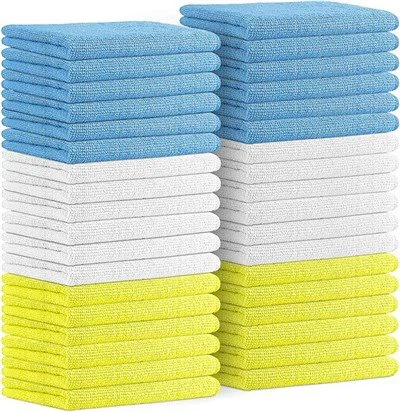
At the end of the day, binoculars are for seeing the good stuff—eagles, concerts, sunsets, whatever. Don’t let a smudge or a streak ruin that. Grab the right wipe, and keep seeing clear.
Mop Pad References
- Optical Society of America. (2021). Cleaning Delicate Optical Surfaces: Best Practices and Common Pitfalls.
- International Organization for Standardization. (2019). Specifications for Optical Cleaning Wipes for Consumer Equipment.
- Journal of Outdoor Recreation and Tourism. (2022). Gear Maintenance Habits of Recreational Bird Watchers: Barriers to Regular Cleaning.
- American Academy of Ophthalmology. (2020). Safe Cleaning Practices for Precision Optical Devices.
Shanghai Zhaotine Smart Home Company Limited
We’re well-known as one of the leading wet wipe manufacturers and suppliers in China, specialized in providing high quality customized products. We warmly welcome you to wholesale bulk high quality wet wipe made in China here from our factory.
Address: Huanjing town, luhe town, textile industrial zone, Jiangsu province, China
E-mail: doris@zhaotine.com
WebSite: https://www.clean-wow.com/
