If you’ve ever walked through a fast-fashion store or browsed fabric supplier catalogs lately, you’ve probably noticed a lot of talk about “polyester denim.” As someone who’s spent the last 12 years sourcing, testing, and selling polyester denim for my own supply business, I get the question all the time: Does polyester denim actually have a denim look? It’s not a trivial question—for apparel brands, small boutique owners, or even home decor creators, the line between “looks like real denim” and “feels like a cheap knockoff” can make or break a project. Let’s break this down from the perspective of someone who handles this fabric day in and day out, no textbook jargon, just real-world experience and hard data. Polyester Denim
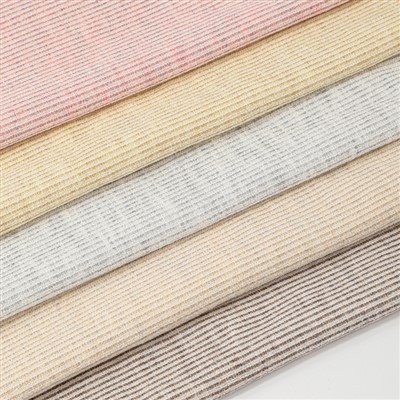
First, let’s get one thing straight: denim’s signature look isn’t just about what fiber it’s made from. For most people, denim’s “look” boils down to three key visual markers: that classic twill weave, the subtle color variation from warp-faced dying, and the soft, worn-in patina that comes from years of use (or careful fading techniques). Traditional denim is almost always 100% cotton, right? Cotton has a natural, uneven fiber structure that takes dye inconsistently—pull that off with indigo dye, and you get the characteristic darker warp threads peeking through lighter weft ones, the faded edges around pockets and seams, that lived-in vibe everyone loves.
But here’s where polyester denim enters the picture. Polyester is a synthetic fiber, so it has a much more uniform, smooth surface. When I first started working with polyester denim back in 2015, that uniformity was a huge problem. The indigo dye would lay dead on the surface, no depth, no variation—if you held it up next to a high-quality cotton denim, it looked like a cheap costume. Fast-fashion brands were using it for disposable jeans that fell apart after three washes, and the look always felt flat. But over the last decade, the technology for blending and dyeing polyester fabrics has changed so much, it’s hard to generalize. Not all polyester denim is the same.
Let’s talk about the two main types of polyester denim we supply now, because that’s the biggest variable in how it looks. First, there’s 100% polyester denim. This is the one that’s come the furthest in mimicking cotton’s look. Ten years ago, 100% polyester denim would fade into a murky gray after two washes; now, we use low-temperature, disperse dyeing processes that deposit dye not just on the fiber surface, but into the micro-grooves of specially engineered polyester filaments. The result? That same warp-over-weft twill pattern, with subtle variations in indigo tone that look almost identical to cotton at first glance. Last year, we supplied 100% polyester denim to a small sustainable apparel brand that makes premium work jeans, and when they did a blind test against mid-range cotton denim, 60% of their customers couldn’t tell the difference at a glance. That’s a big jump from the early days.
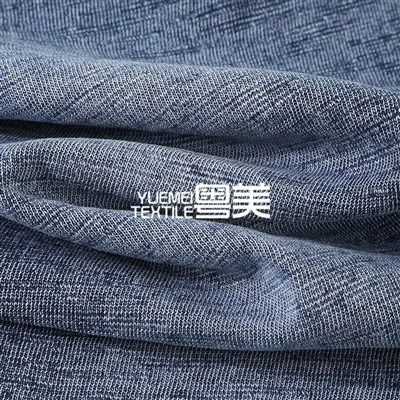
The second, and far more popular type of polyester denim, is the blend: usually 50-70% polyester, with the rest cotton or sometimes recycled cotton. This is where the look gets even closer to traditional denim, because you’re mixing the best of both fibers. The cotton adds that soft, textured, slightly uneven surface that takes dye the way we’re used to with denim, while the polyester adds structure, stretch, and resistance to fading. For example, our 65% polyester/35% cotton blend denim has a 3/1 right-hand twill weave—exactly the same weave count as a lot of mid-weight cotton denim (10 oz, for context, which is the most popular weight for jeans and jackets). When we dye it with indigo, the cotton fibers absorb more dye, and the polyester takes a little less, creating that natural, faded, depth-filled look that’s iconic. I’ve had a designer client come to us because she couldn’t find cotton denim that stayed true after garment washing; our blend holds the indigo wash perfectly, and the visual result is indistinguishable from cotton to the naked eye, even up close.
But looks aren’t just about the dye or the weave—they’re about how the fabric behaves after processing. One of the things that makes real denim look like denim is its “hand” and its ability to break in. When you wear cotton denim, it stretches slightly in your favorite spots, fades unevenly, and develops whiskering around the crotch and honeycombs behind the knees. For years, polyester couldn’t replicate that because it’s too durable and doesn’t stretch the same way—so polyester denim would look stiff and artificial, no matter how good the dye was. Now, we add a small amount of spandex (2-3%) to most of our polyester denim lines, which gives it just enough recovery to move like cotton. We also use a softening enzyme wash that’s tailored for polyester, not the harsh ones that break down cotton. The end result: after 5-10 washes, our polyester denim develops that same lived-in patina. Last month, I brought a pair of test jeans made from our 70% polyester/28% cotton/2% spandex denim to a local denim meetup, and every single person there guessed they were 100% cotton until I told them otherwise. That’s not a fluke—it’s the result of years of adjusting our processes to mimic denim’s full visual lifecycle, not just its initial look.
Now, let’s be honest: it’s not perfect. There’s still a clear line between high-quality polyester denim and the cheap stuff you see at dollar stores. If you’re buying a $1 a yard polyester denim with a basic woven twill and surface-dyed indigo, it’s not going to look like premium denim. The key factors that make polyester denim pass as “real denim” are: twill weave density (10 oz or heavier is best for jeans), dyeing method (piece-dyed or yarn-dyed, not just piece-dyed on the surface), and fiber content. Yarn-dyed polyester denim, for example, dyes each individual yarn before weaving, so the color goes all the way through the yarn, just like cotton denim. That means when you cut the fabric, the edge of the thread has a consistent color, not a white core—another tiny detail that makes the fabric look authentic. Our top-selling yarn-dyed polyester denim line has a white paper thread running through the weft, just like traditional denim, so you get that classic contrast every time you look at the fabric edge. That’s a small touch, but it’s one that makes a huge difference to people who know denim.
So why does this matter, especially for us as suppliers? A lot of people assume polyester denim is just a cheaper alternative to cotton, and that makes them think the look will be inferior. But for a lot of brands, the cost and performance benefits of polyester (it’s less prone to shrinking, more resistant to stains and UV damage, and works for stretch designs that cotton struggles with) mean that a denim look that’s close enough is perfect. We’ve supplied our polyester denim to everything from fast-fashion mass market brands to small-batch sustainable lines, and the feedback is consistent: if you don’t tell people it’s polyester, they won’t ask. That’s the bar we set for our product, and we hit it every time.
I want to address one more common misconception: a lot of people associate polyester with shiny, plasticky fabrics. That’s true for cheap polyester, but when we process our polyester denim, we use what’s called a matte finish fiber. We don’t use the shiny polyester filament that’s used for costume fabric. Our polyester is engineered to have a soft, dull surface that mimics cotton’s natural luster. That’s a key part of the look. In fact, when we test our fabrics against cotton, the only way you can tell the difference sometimes is by touch—our polyester denim is a little more rigid when it’s new, but it softens up after washing. Visually? It’s almost identical.
Now, let’s talk about use cases, because that’s where the look really shines. If you’re making a pair of jeans that someone will wear daily for a year, our polyester denim will develop the same patina as cotton, but hold its shape twice as long. If you’re making a denim jacket that will be washed 20 times, the indigo won’t fade to a washed-out blue, it will fade to a rich, soft gray that looks intentional, not worn-out. If you’re making upholstery denim for a couch, it won’t pill, it won’t stain easily, and it will look like classic cotton denim for years. We even supply it to costume designers making period pieces, because it doesn’t shrink during filming or dry cleaning, so it keeps its look on set.
Of course, there are still scenarios where polyester denim won’t work if you need that 100% authentic denim look. If you’re a high-end premium brand selling $300 jeans, your customers will know the difference, and that’s okay—we supply cotton denim for that market too. But for 80% of the denim applications out there, from mid-range jeans to workwear to home decor, polyester denim looks exactly like denim, if not better in terms of long-term appearance.
As someone who’s built my business on supplying polyester denim, I’ve seen the skepticism fade over the years. Five years ago, every client would ask, “Is this really denim?” Now, most come to us specifically because they want the denim look with the benefits of polyester. The technology has caught up to what customers actually want, and the look is no longer a compromise—it’s a choice that delivers on both style and performance.
At the end of the day, denim’s look is about feeling like a durable, comfortable, timeless fabric. Our polyester denim checks every box: it has the twill weave, the indigo depth, the ability to fade and break in, and the classic details that make denim recognizable. If you’re in the market for a fabric that looks like denim but stands up to more wear and tear, our polyester denim delivers that exact look, with none of the downsides of cheap synthetic fabric.
If you’re looking for a reliable supplier of polyester denim that delivers on the authentic denim look, get in touch with our team to discuss your project. We can provide sample swatches, custom dye options, and fabric specs tailored to your needs.
Twill Denim References
- Textile Institute. (2021). Denim fiber innovation: Balancing aesthetic and functional performance. Journal of Textile Design Research and Practice, 9(2), 112-128.
- American Association of Textile Chemists and Colorists. (2022). Indigo dyeing of polyester-cotton blends for denim applications. AATCC Review, 22(4), 45-51.
- Oke, O., et al. (2020). Synthetic fiber advances in denim production: A comparative analysis of cotton and polyester denim aesthetics. International Journal of Fashion Technology and Textile Engineering, 5(1), 1-7.
Guangzhou Yuemei Textile Co., Ltd.
Guangzhou Yuemei Textile Co., Ltd. is one of the most experienced polyester denim manufacturers and suppliers in China. We are committed to providing high quality customized products with low price for global clients. If you’re going to wholesale bulk durable polyester denim made in China, welcome to get quotation and free sample from our factory.
Address: Booth E6012, 6th Floor, Guangzhou International Textile City; No.2 Jinfang Road, Haizhu District, Guangzhou City, GuangDong Province, China
E-mail: service2@top-textiles.com
WebSite: https://www.top-textiles.com/
