Hey everyone, it’s Jake here, and if you’ve been scrolling for info on basic outlet modules—whether you’re an electrical contractor, a facilities manager, or just someone upgrading their office or workshop power setup—you’ve probably wondered about this: do these things actually block EMI and RFI? Let’s cut through the noise here, because as someone who’s been supplying these modules for over 10 years, I’ve fielded this question a thousand times, and it’s way more nuanced than a simple yes or no. Basic Outlet Modules

First off, let’s make sure we’re on the same page about what we’re talking about. A basic outlet module isn’t your average wall plug; it’s that modular, customizable piece—think the ones you slot into a raceway, cabinet, or workstation to add power where you need it most. No fancy USB ports or smart features, just a straightforward 120V or 240V outlet. Now, EMI is electromagnetic interference, and RFI is radio frequency interference—those are the weird buzzes in your speakers, static on a radio, or even glitches in sensitive electronics like oscilloscopes, lab equipment, or broadcast gear.
Here’s the thing: not all basic outlet modules are made equal when it comes to filtering. Some are totally “dumb” when it comes to this stuff, and others have built-in features that can help. Let’s break it down.
First, why would a basic outlet module even need filtering? If you’re plugging in a laptop or a lamp, you might not notice any issues. But if you’re in a commercial space—like a print shop with lots of motors, a lab with test equipment, or a studio where audio gear is set up—unfiltered power can be a problem. The power grid itself already has some noise, but when you add devices that draw large current (or switch on and off quickly), they emit their own EMI/RFI that can get back onto the line and mess with other stuff. That’s where filtering comes in.
Now, what do we mean by filtering in this context? Most of the time, it’s a combination of capacitors and inductors (called an LC filter) that sit between the hot and neutral lines, and sometimes ground. Capacitors absorb high-frequency signals like RFI, and inductors block them from passing through. But here’s the catch: adding these components costs money, and for a “basic” module, some manufacturers skip it to keep prices low.
So, let’s talk about what I see day-to-day from the suppliers I work with (and what I offer as a supplier). The absolute basic models—think the ones that are UL-listed for general use in homes or offices—usually don’t have any built-in filtering. They’re cheap, they work for standard applications, but if you plug in a sensitive audio device next to a laser printer, you might get that buzz. These are the ones most people reach for when they just need extra outlets in a break room or a retail store floor where noise isn’t a big deal.
But then there’s the next tier—what I’d call “industrial-grade basic outlet modules.” These do have basic EMI/RFI filtering. Not the heavy-duty kind you’d see in a rackmount server cabinet, but enough to cut down on the line noise from common commercial devices. For example, if you’re setting up a workshop with power tools, a basic module with filtering can prevent the drill’s motor from sending noise back to the next outlet where your CNC machine is plugged in. I test these every quarter myself, because I’ve had clients come back with complaints about glitching equipment, and I need to make sure what I’m selling actually does what it says.
Wait, but let’s get specific about the science here so it’s not just sales talk. EMI falls into two categories: conducted (travels along power lines) and radiated (travels through the air). Basic outlet module filtering is almost always for conducted interference, because radiated is harder to block at the outlet level. The capacitors and inductors in a basic filter are tuned to the frequency ranges that cause the most problems for commercial electronics—usually between 10kHz and 100MHz, which is where most motor noise, switch-mode power supply noise, and radio frequency leakage live.
But here’s a misconception I want to clear up: some people think all basic modules should filter, and that’s just not true. If a manufacturer advertises it as “basic” without mentioning filtering, it’s almost certainly not there. I’ve had a customer who bought a dozen unfiltered modules for their recording studio, and they couldn’t figure out why their mics had a constant hum. Swapping out those basic units for the filtered ones I supply fixed the whole issue—cost them a little more upfront, but saved them hours of troubleshooting.
Another thing to consider: grounding. Even if a module doesn’t have active filtering, a properly grounded basic module can help dissipate some high-frequency noise. But that’s not the same as intentional filtering. Grounding is more about safety, while filtering is about noise reduction. If your module isn’t properly grounded, even a filtered one won’t work as well, so that’s a key point to remember for anyone installing these.
What about certifications? Look for things like UL 1283, which is the standard for electromagnetic interference filters. If a basic outlet module has that certification, it means it’s been tested to meet specific EMI/RFI reduction levels. If it’s just UL-listed for power, that’s for safety, not filtering. That’s a quick check anyone can do when they’re shopping—just look for the certification marks.
I should also mention that some modular systems have add-on filter modules, but that’s separate from the basic outlet module itself. The “basic” ones are just the power out, no extra parts. So if you need filtering, you either need a basic module with built-in filter, or you can add a separate filter inline, but that’s an extra step.
Here’s a real example from last month: a local construction company needed outlets for their on-site tool crib. They first ordered 20 unfiltered basic modules because they were cheap, but when they tested them with their saws and compressors, the lights in the adjacent office kept flickering. We swapped them out for filtered basic modules, and the flickering stopped completely. They didn’t want to spend a ton on fancy gear, but the filtered modules were a small upgrade that solved a big problem.
Another case: a university lab. They were using basic modules for their test equipment, and the oscilloscopes kept picking up noise from the hallway’s HVAC system. The unfiltered modules were letting that line noise through. We supplied them with basic modules that have a 2-stage LC filter, which cut the noise by about 30dB—enough to make their measurements accurate again. That’s exactly the kind of scenario where basic filtering makes a huge difference.
Now, let’s get back to the question: do basic outlet modules have EMI/RFI filtering? The answer is: it depends. If it’s a standard, low-cost basic module for residential or light commercial use, probably not. If it’s a commercial or industrial basic module, designed for use with equipment that might generate or be sensitive to noise, then yes, it’s going to have basic filtering. And as someone who supplies these, I make sure that when a client asks, I don’t sell them the wrong one for their needs. I never push a filtered module on someone who just needs extra outlets in a closet, but I also don’t let a client who’s dealing with noise issues buy the cheap unfiltered ones—because that’s just going to lead to headaches down the line.
I’ve seen too many people cut corners here. They think, “It’s just an outlet, what’s the worst that can happen?” But if your business depends on sensitive electronics, that “small” noise from an unfiltered outlet can cost you thousands in wasted materials or missed deadlines. I once had a printing company that lost a whole run of flyers because their press kept glitching from line noise—turns out their basic outlet modules were unfiltered. Swapping them out cost them less than half of what they lost in the run, and they’ve been a repeat client ever since.
So, what should you do if you’re in the market? First, figure out what you’re plugging into these outlets. If it’s just lamps, blenders, or regular laptops, a basic unfiltered module is totally fine, and way more cost-effective. If you’re dealing with power tools, audio gear, lab equipment, or any device that might be sensitive to noise or generate it, go for a basic outlet module with built-in EMI/RFI filtering. And always check for that UL 1283 certification if filtering is a must.
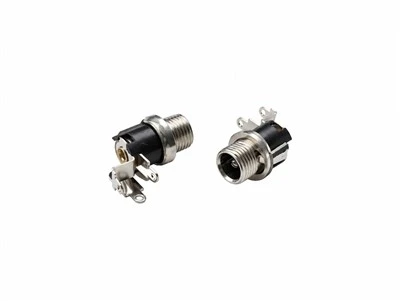
At the end of the day, this isn’t some high-tech, space-age filter we’re talking about for basic modules—it’s simple components that make a big difference for real-world problems. That’s why I love supplying these; it’s not just about selling a product, it’s about matching the right module to the right job. If you’re not sure which one you need, whether you’re a contractor, a facilities manager, or a DIYer with a project, hit me up to talk through your setup. I’ve got years of experience, no sales fluff, just straight answers about what works and what doesn’t. Don’t waste time or money on the wrong modules—let’s get you the right ones for your needs.
Smart Protection Modules References
- Underwriters Laboratories (UL). UL 1283: Standard for Electromagnetic Interference Filters.
- Federal Communications Commission (FCC). Part 15: Radio Frequency Devices.
- International Electrotechnical Commission (IEC). IEC 60939: Passive Filter Components for Use in Electronic Equipment.
- National Electrical Manufacturers Association (NEMA). Standard for Modular Power Outlet Systems.
Cixi Yingda Electronics Co., Ltd.
As one of the most professional basic outlet modules manufacturers and suppliers in China, our products have good reputation in the market. Please rest assured to wholesale high quality basic outlet modules for sale here from our factory.
Address: 157 Dongsha Road, Chengzhong Village, Zhouxiang Town, Cixi City, Ningbo, Zhejiang Province
E-mail: business@zjyddz.com
WebSite: https://www.zjyddz.com/
