If you’ve ever found yourself staring at a chipped leather couch, a lumpy armchair that was once your favorite reading spot, or a set of dining chairs that still have good bones but look like they’ve been through three moves, you’ve probably asked yourself one question: Is general upholstery worth the cost? As a third-generation general upholstery supplier who’s spent the last two decades helping homeowners and businesses breathe new life into tired furniture, I get it—there’s a lot to weigh up. It’s easy to default to replacing a piece that feels outdated or worn, but what if I told you that the math, the quality, and the long-term value of reupholstering almost always stack up against buying new? Let’s break this down, no sales fluff, just the real stuff I’ve learned from working on thousands of pieces. General Upholstery

First, let’s talk numbers—because this is usually the first thing people Google when they start their search for upholstery services. I’ve seen quotes for new mid-century sofas range from $1,500 to $5,000, depending on the brand, fabric, and features. Reupholstering that same size sofa? Most of the time it’s between $800 and $2,500, and that’s for high-quality materials, not the cheap stuff that starts peeling within a year. But here’s the part most calculators miss: when you buy new, you’re paying for a lot of hidden costs you don’t see right away. There’s the delivery fee (that’s $50 to $150 just to drop it off), the old furniture haul-away fee (another $75 to $200), and even the sales tax that applies to the full new price, not the discounted used one. When you reupholster, we’ll often take away your old padding or fabric scraps for free, no extra charge. For a typical three-cushion sofa, that’s a savings of $500 to $1,000 right there, before you even factor in the lifespan of the piece.
Speaking of lifespan, that’s where the scientific part comes in—this isn’t just about feelings, it’s about how furniture is made these days. Most mass-produced new furniture, even the mid-range stuff, is built with durability in name only, not in practice. I’ve seen sofas that split at the seams after 18 months, cushions that go flat within two years, and frames made of particleboard that crumbles when you lean on them. Why? Because big retailers prioritize low costs to keep prices high and profits higher. They use thin fabrics that tear easily, foam with a short lifespan, and frame materials that aren’t designed to be repaired. When you choose general upholstery, we’re working with pieces that already have a solid frame—be it solid wood, reinforced joinery, or metal that’s holding up. Reupholstery doesn’t just cover the flaws; it replaces the worn parts with materials that are built to last. For example, we’ll replace old foam with high-density, long-lasting foam that’s rated for 10+ years of use, not the low-density stuff that comes in new sofas for $100 less. A well-reupholstered piece can easily last 15 to 20 years, sometimes longer, whereas a new mass-produced one is lucky to hit 10. That’s a lower cost per year of use, which is the real metric you should care about, not the upfront sticker price.
Then there’s customization, which is where general upholstery truly shines. When you buy a new sofa, you’re stuck with the fabric options the retailer offers—usually 10 to 20 choices, most of which are synthetic, and you’ll pay extra for anything outside the standard lineup. When you work with us, we have access to hundreds of fabrics: organic cotton, durable performance fabrics that resist stains and pet hair, genuine leather, vegan leather, even heavy-duty linen for high-traffic areas. You can pick exactly the color, texture, and pattern that matches your living space, not whatever’s trending at the big box store this season. And it’s not just fabric—we can adjust the size of cushions, change the depth of the seat, add decorative tufting, or even modify the arms to fit your personal style. I recently worked with a customer who had a 1970s armchair that was too wide for her tiny apartment; we reupholstered it and trimmed 6 inches off the arms, turning a bulky piece into something that fit perfectly without sacrificing the original shape and character. That’s something you can’t get with a new piece—you can’t walk into a store and ask for a custom-sized sofa to fit an awkward nook.
Now, let’s address the big objection: What if my furniture is too far gone? I hear this all the time. “My couch has a stain that won’t come out, the frame is wobbly, the springs are poking through.” Here’s the thing—most of the time, it’s not as bad as you think. The average person looks at a piece and sees only the surface damage, but our team of upholsterers has the training to fix the underlying issues. We can tighten loose frames, replace broken springs, reweave any damaged webbing, and even repair small tears in leather before reupholstering. Sure, if a frame is made of rotten particleboard or has a broken internal structure that can’t be repaired, we’ll be the first to tell you it’s not worth reupholstering. But that’s a tiny minority of cases—maybe 10% of the pieces we see. Most of the time, the “irreparable” damage is just surface wear that hides a solid core. I had a customer last year bring in a dining set that her grandmother had bought in 1985; the chairs had faded fabric and wobbly legs, but the wooden frames were still perfectly solid. We replaced the fabric with a stain-resistant performance material, tightened the legs, and refinished the tabletop, and that set now looks like new—better than new, really, because it has the sentimental value her grandmother gave it. Sentimental value is a big one, too. A piece of furniture isn’t just wood and fabric; it’s where you sat during family movie nights, where your kid did their homework at the dining table, where you proposed to your partner. You can’t put a price on that, and reupholstering lets you keep those memories instead of tossing them out for a new, generic piece.
Of course, I’d be lying if I said general upholstery is always the right choice. There are cases where replacing makes more sense. If you have a piece that’s less than 5 years old and you hate the style, reupholstering might not be worth it—you’d be paying to change a style that’s not to your taste, when a new piece could be in a trendy look for a similar price. If you need a piece fast—like, in a week or less—new furniture is the way to go, because reupholstery takes time (usually 2 to 4 weeks, sometimes longer for custom fabrics). And if you have a very budget, like under $500 for a full sofa, you’re better off buying a used one or a new entry-level piece, because even the cheapest reupholstery job will cost more than that. But for most people, if their furniture has sentimental value, is over 5 years old, and has a solid frame, general upholstery is absolutely worth it.
Let’s also talk about environmental impact, which is a huge factor more people are considering these days. The furniture industry is responsible for about 10% of global carbon emissions, according to the United Nations Environment Programme, mostly from manufacturing, shipping, and waste. When you reupholster, you’re diverting furniture from landfills—Americans throw away about 9 million tons of furniture every year, most of which ends up in landfills because it’s too damaged or too hard to repair. A typical sofa takes 20+ years to decompose, and the chemicals in foam and fabric can leach into the soil and water. When you choose to reupholster, you’re reducing your carbon footprint, supporting local businesses (most upholstery shops are small, family-run, not big corporations), and keeping usable resources out of landfills. It’s a small choice, but it adds up.
As a supplier, I’m not here to convince everyone to reupholster every piece they own. But I am here to help people make an informed decision, not one based on the hype of new furniture. I’ve had customers who came to me thinking they needed to replace their couch, but after a quick inspection, they realized reupholstering was the better choice. I’ve also had customers who were on the fence, and after seeing the cost breakdown and the quality of the work, they went with reupholstery and have told me a year later that it was one of the best decisions they made.
If you’re sitting there looking at a tired piece of furniture, wondering if general upholstery is worth it, my advice is this: first, bring it to a local upholstery shop (or contact us, if you’re looking for a reputable supplier) for a free, no-obligation quote. Most of us will come to your home to look at the piece, assess the damage, and give you a clear breakdown of costs. Compare that quote to the cost of a similar new piece, factor in the lifespan, the customization, and the sentimental value. You might be surprised how often the scales tip in favor of reupholstering.
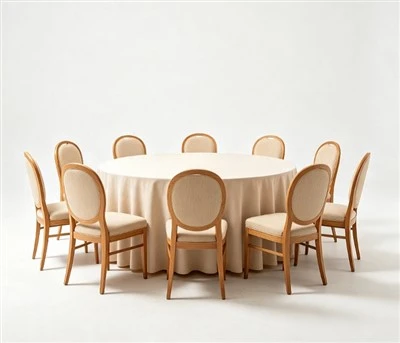
And if you do decide to move forward, we’re here to help. Whether you have a single armchair, a full living room set, or commercial furniture for an office or restaurant, our team has the experience to handle it all. We work with both residential and commercial clients, use only high-quality materials, and stand behind every job we do. The next time you’re thinking about replacing a piece of furniture, don’t just reach for your phone to order new—give us a call, take a look at what you already have, and see if general upholstery is the right fit for you. It might just save you money, keep a piece of history alive, and give you exactly the furniture you’ve been wanting for years.
Built-in Units References
- United Nations Environment Programme. (2021). Global Furniture Sector Carbon Emissions Report.
- Furniture Bank Association of North America. (2022). Furniture Waste Statistics and Diversion Study.
- Consumer Reports. (2023). Durability Testing of Mass-Produced vs. Custom Upholstered Furniture.
- Upholstery Association of North America. (2023). Cost-Benefit Analysis of Reupholstery vs. Replacement.
JM Wood Trading Limited
As one of the most professional general upholstery manufacturers and suppliers in China, we also support customized service. Please feel free to wholesale cheap general upholstery for sale here from our factory. For price consultation, contact us.
Address: Room 1802, No. 2nd, Kexing Road, Baiyun District, Guangzhou, Guangdong Province, China
E-mail: sq@jiameiwood.com
WebSite: https://www.jiameiwood.com/
