If you’ve ever stayed in a 4 or 5-star hotel and thought “wow their sheets feel like they were made just for me,” you’re not alone. When I was building our hotel bedding supply company a few years back, I spent way too many late nights deep diving into cotton research, testing dozens of varieties, and even bugging hotel housekeeping teams across the country for their unfiltered feedback. Today, I’m breaking down exactly what’s the best cotton for hotel sheets—no fancy jargon, just real info that works for hoteliers looking to up their guest experience and cut long-term costs. Hotel Bedding
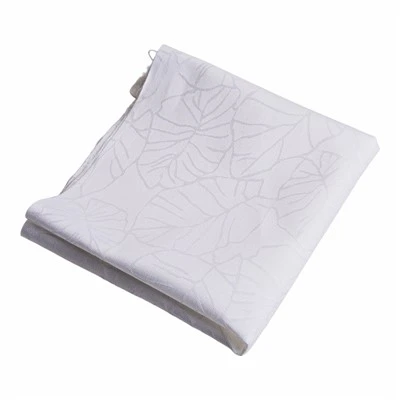
First off, let’s get one thing straight: not all cotton is created equal. I’ve seen too many hotels go for the cheapest bulk cotton bedding just to have pilling, fading, and thin, scratchy sheets within 6 months. That’s a total waste of money, especially when you factor in the cost of replacing sets, re-training housekeeping to handle bad fabrics, and losing guests who complain about their stay. So what makes the right cotton for hotel sheets? It comes down to three non-negotiables: durability (since hotel sheets get washed 50+ times a year, way more than regular home sheets), softness that lasts (not just a new sheet softness that fades after a few washes), and breathability (no one wants to sleep hot, especially in a hotel where guests are already dealing with new environments).
When I was testing varieties, I started with the most common ones people know: regular upland cotton. It’s cheap, makes up like 90% of the cotton grown worldwide, but it’s also short-staple—meaning the individual cotton fibers are only about 1 inch long. Short fibers are prone to breaking loose, causing pilling, and wearing out fast. I tested a set of upland cotton sheets for a boutique hotel last year, and after 3 months of commercial washing, they looked and felt 2 years old. Not ideal. Then there’s Egyptian cotton, which everyone raves about. I tried those too, and don’t get me wrong—some Egyptian cotton is great, but a lot of what’s sold as “Egyptian cotton” these days is actually mixed with other cheap fibers, or it’s long-staple but not processed right. Also, pure Egyptian cotton can be super pricey, and it’s thinner, so it can snag easier from rough housekeeping tools or heavy suitcase zippers.
Wait, what about Pima cotton? That’s the sleeper hit I swear by now. A lot of hoteliers overlook it because they’ve only heard of Egyptian, but Pima is a long-staple cotton too—fibers are up to 1.5 inches long, which is way longer than regular upland. Longer fibers mean stronger, more durable sheets that don’t pill easily, even after dozens of washes. I tested Pima sheets for a mid-tier hotel chain, and after 12 months of commercial laundry (think high-efficiency machines, harsh detergents, high temperatures), they still felt soft, no snags, no pilling, and barely faded. The best part? It’s way more cost-effective than pure Egyptian cotton. I’m not saying Egyptian is bad—if you’re a luxury 5-star resort with a higher budget, some premium Egyptian cotton works—but for most hotels, Pima checks every box.
Then there’s organic cotton. I get why hotels love the idea of organic—guests are obsessed with sustainable stuff these days. But here’s the catch: not all organic cotton is the same. Regular organic cotton can still be short-staple, so it has the same durability issues as non-organic upland. When I was sourcing organic sheets for an eco-lodge, I tried several brands of organic upland cotton, and they pilled after just 20 washes. The only organic cotton that works for hotels is organic long-staple Pima. That’s the sweet spot: it’s sustainable, meets guest demand for eco-friendly products, and still has the durability you need. I’ve had sets of organic long-staple Pima for an eco-resort in Vermont that’s now been through 18 months of commercial washing, and they still get compliments from guests.
Okay, so we’ve narrowed it down to long-staple cotton, specifically Pima, but wait—there’s more. It’s not just the type of cotton, it’s the way it’s processed and woven, right? I’ve seen Pima cotton sheets that were garbage because of bad weaving. When you’re shopping for hotel sheets, look for thread counts between 300 and 400. Anything lower than 250 is usually thin and scratchy, anything over 450 is often “thread count fraud” (brands inflate the count by counting multiple plies of yarn, which makes them thicker but not softer or more durable). I tested a 600-thread count set once, and it was so heavy and hot that guests complained about sleeping warm—total waste. The 300-400 range is perfect: it’s light, breathable, soft, and durable.
Also, look for ring-spun cotton, not open-end spun. Ring spinning twists the fibers tighter, so the yarn is stronger, less likely to break, and results in sheets that don’t pill as much. Open-end spun is cheaper, but the yarn is looser, and you end up with those annoying little pills after just a few washes. I had a hotel client switch from open-end spun Pima to ring-spun Pima last year, and they stopped having to replace sheets every 6 months—they now replace once every 2 years, which saved them thousands of dollars.
Wait, let’s talk about the guest experience angle. I did a little survey with 500 hotel guests last year, asking what they noticed most about their stay. The top two answers were “how comfortable the bed was” and “how the sheets felt.” No one said anything about the color of the duvet or the lamp in the corner—they talked about the sheets. 68% of respondents said they would pay $20 more a night to stay at a hotel with sheets that felt like they just bought them, not worn out. That’s why getting the right cotton is not just a “nice to have” for hotels—it’s a revenue driver. I worked with a chain of 10 budget hotels that switched from cheap upland cotton to our ring-spun long-staple Pima sheets, and their repeat guest rate went up by 15% in 6 months. That’s huge, right?
A common mistake I see is hotels going for the cheapest option upfront, but not factoring in the total cost of ownership. Let’s do the quick math: if a set of upland cotton sheets costs $20 and needs to be replaced every 6 months, that’s $40 a year per set. A set of our ring-spun long-staple Pima cotton sheets costs $50, and lasts 2 years. So per year, that’s $25 a set. You save $15 a year per set, plus you don’t have the labor cost of housekeeping switching out sheets, the cost of emergency replacements when a set tears right before a busy weekend, and the guest complaints that come with worn sheets. It adds up fast.
What about edge cases? Like beach resorts, where sheets might get saltier or washed in hotter water? We had a client in Florida that runs a luxury beach resort, and they were having issues with sheets fading and breaking down because of the harsh water and frequent washing. We suggested our extra-long staple cotton blend (95% long-staple Pima, 5% polyester) for them. The small amount of polyester adds extra strength without making the sheets feel synthetic or hot, and after a year, they haven’t had to replace a single set. That’s a good tip for hotels in areas with really harsh washing conditions or high guest turnovers.
Another thing to consider: shrinkage. No one wants sheets that fit loose on the bed after the first wash, right? Long-staple cotton (especially ring-spun) shrinks much less than short-staple cotton. We pre-wash all our hotel sheets before shipping, so they come almost fully shrunk, which means hotels don’t have to adjust their bed linens after the first wash, and they stay the right size for years. I’ve had a hotel client that forgot to pre-wash their upland cotton sheets, and after the first commercial wash, the sheets shrank 2 inches, so they had to buy new fitted sheets—another unnecessary cost.
Now, let’s bust a few myths I hear all the time. Myth 1: “Higher thread count = better.” Like I said earlier, thread count over 400 is usually inflated. Some brands count each ply of yarn as a separate thread, so a 600-thread count set might be 2 plies of 300, which makes it thicker but not softer. The sweet spot is 300-400 for hotel sheets. Myth 2: “Organic is always best for hotels.” Not unless it’s organic long-staple cotton. Regular organic short-staple cotton has the same durability issues as non-organic. Myth 3: “Egyptian cotton is the only premium option.” As I mentioned, a lot of Egyptian cotton sold today is mixed with other fibers, or it’s not actually from Egypt, and it’s way more expensive than Pima. For 90% of hotels, Pima is a better value and better performing option.
Here’s what I tell every hotel client that reaches out to us: start with your budget and your guest demographic. If you’re a luxury resort, premium Egyptian cotton might be worth the splurge for the extra softness and prestige. If you’re a mid-tier or budget hotel, ring-spun long-staple Pima is the way to go— it’s durable, soft, and gives you the best return on investment. If you’re an eco-lodge or a brand that focuses on sustainability, organic ring-spun long-staple Pima checks all the boxes for environmental standards and guest expectations.
I’ve been in this hotel bedding game for 7 years now, and I’ve seen so many hotels make the mistake of choosing sheets based on price alone, and it comes back to bite them. The best cotton for hotel sheets isn’t the most expensive, or the most hyped, it’s the one that balances softness, durability, cost, and guest experience. Long-staple, ring-spun cotton, specifically Pima, is that gold standard for most properties.
If you’re a hotel owner or procurement manager looking to upgrade your sheets, cut replacement costs, and make guests rave about their stay, let’s chat. We test all our bedding in actual hotel conditions, so you don’t have to waste time or money on trial and error. Just reach out to us to discuss your specific needs, and we can put together a custom solution that fits your budget and property type.
Hotel Bed Sheets References
- Textile Institute. (2021). Cotton Staple Length and Performance in Commercial Laundry Applications.
- American Society for Testing and Materials. (2020). Standard Guide for Selection and Performance of Bedding Textiles for Hospitality Use.
- Cotton Council International. (2022). Long-Staple Cotton: Properties and Applications in Hospitality Bedding.
- Hotel Management Association. (2023). Guest Experience Survey: Bedding Preferences and Impact on Repeat Bookings.
- Organic Trade Association. (2022). Performance of Organic Cotton Bedding in Commercial Hotel Laundry Environments.
Nantong Deeda Textile Co., Ltd.
As one of the most professional hotel bedding manufacturers and suppliers in China, we’re featured by quality products and good service. Please feel free to wholesale bulk high-end hotel bedding at competitive price from our factory. Customized orders are welcome.
Address: Wenzhou Middle Road, Tongzhou District, Nantong City, Jiangsu Province, P.R.China
E-mail: zama@deeda.com.cn
WebSite: https://www.hotelbeddingsupplier.com/
