If you’ve ever walked into a custom print shop, a manufacturing facility, or even a local boutique that sells one-of-a-kind signage or promotional products, you’ve probably seen UV inkjet flatbed printing at work. As someone who’s been a UV inkjet flatbed printing machine supplier for over a decade, I’ve watched this technology transform from a niche tool for industrial prototypes to a go-to solution for businesses across nearly every industry. When customers first reach out to me, they often ask why UV inkjet flatbed is better than other printing methods—like screen printing, solvent-based inkjet, or even laser engraving. The answer isn’t just about “better quality” in a vague sense; it’s about tangible, day-to-day advantages that save time, cut costs, expand creative possibilities, and deliver more consistent results. Today, I want to break down those advantages, straight from what I see my customers achieving every single week. UV Inkjet Flatbed Printing Machine

First, let’s start with the most immediate benefit: versatility of substrates. Unlike many other printing methods that only work on specific materials, a UV inkjet flatbed machine can print on almost any rigid or semi-rigid surface you can name. I’ve sold machines that print on everything from acrylic sheets for retail signage and wood for custom furniture panels to glass for storefront decals, metal for industrial badges, and even cardboard for high-end product packaging. One of my regular customers is a small boutique that makes custom wedding signs; they used to pay a third party to print on wood and another to print on clear acrylic for table numbers. Now, with their own UV flatbed machine, they load a sheet of wood, switch to a clear acrylic sheet 10 minutes later, and print both in the same run—no setup changes that take hours, no extra shipping or waiting for a third party. This versatility even extends to more unusual substrates: I helped a customer who makes custom phone cases print on flexible TPU, and another who produces artisanal skate decks print on sandpaper grip tape, both with perfect adhesion that doesn’t peel after a few uses. For businesses that want to offer a wide range of products without investing in multiple types of equipment, this is a game-changer.
Next, let’s talk about print quality and resolution, and how UV curing makes that possible. UV inks are different from solvent or water-based inks because they cure—meaning they turn from liquid to solid—almost instantly when exposed to UV light during the printing process. There’s no waiting for ink to dry, no smudging, no bleeding that can happen if you touch a freshly printed piece before it’s dry. That’s a huge plus for speed, but it also boosts quality. UV inks have excellent color vibrancy and depth, and because they cure immediately, the dots of ink sit exactly where they’re placed, no feathering or spreading on porous or non-porous surfaces. Many of my machines can print at resolutions up to 1440 DPI, which means even fine details—like tiny text on a metal badge or intricate patterns on a wood sign—come out crisp and clear. I had a customer in the aerospace industry who used to use screen printing for small component labels; the screen printing would often blur fine serial numbers, leading to rejections. Since they switched to a UV flatbed machine, their label error rate dropped to nearly zero, and they can now print custom labels for each individual part without the setup time of a new screen. Another point: UV inks don’t require any post-print sealing for most applications, which saves steps and avoids the risk of a sealant ruining the design.
Speed and efficiency are two more advantages that my customers consistently rave about, and they tie back to both the curing process and the flatbed design. Unlike roll-to-roll printers, which work with flexible materials on a roll, flatbed machines hold rigid sheets flat on a bed, so you don’t have to worry about stretching materials or dealing with alignment issues that come with feeding rolls. The instant curing means that after a print job finishes, the pieces are ready to handle immediately—no waiting 24 hours for ink to dry, which was a common pain point with solvent-based printers I sold years ago. For example, a local sign company that used to take 2 days to produce a 10-piece order of custom building signage now does the same job in 4 hours, from loading the sheets to finishing and packaging. That faster turnaround isn’t just about getting jobs out the door sooner; it means my customers can take on more orders without hiring extra staff, which directly boosts their bottom line. Additionally, UV ink is more durable than many other types of ink. It’s resistant to fading from sunlight, scratches from daily use, and even minor exposure to chemicals, which is why outdoor signage printed with UV ink can last 3 to 5 years without needing a touch-up, compared to 1 to 2 years for solvent-printed signs.
Creative freedom is another big advantage, and it’s something that’s opened up new revenue streams for so many of my customers. Because UV flatbed printing works on so many materials, businesses aren’t limited to just paper or vinyl. A custom furniture maker can print a full-color design on a wooden table top, a pet supply company can print their logo on a durable plastic dog bowl, a school can print custom tile for a classroom wall, and a marketing agency can print 3D effects by adding layers of UV ink to create a raised texture on brochures or product displays. I once worked with a graphic designer who used a UV flatbed machine to print a series of art pieces on reclaimed metal sheets; the raised ink layers added a tactile element that made her work stand out at gallery shows, and she now sells those pieces for 30% more than her standard flat prints. Even for smaller businesses, this kind of customization is a huge draw: a coffee shop can print custom takeaway cup sleeves on cardboard, a wedding planner can print monograms on both wooden menu cards and glass place cards, all with the same machine. That ability to create unique, multi-material products is something no other printing method can match easily.
Maintenance and operational cost savings are often overlooked when people first look at UV flatbed machines, but they’re critical long-term benefits. Solvent-based printers require regular cleaning to prevent ink from drying in the print heads, and the solvents themselves are volatile organic compounds (VOCs) that need special ventilation and storage, which adds to the cost and complexity of running the machine. UV inks, on the other hand, have much lower VOC levels, so they’re safer for the environment and for the people operating the machine—no need for expensive ventilation systems in many cases. The print heads on modern UV flatbed machines also last longer because the ink cures immediately, so it doesn’t dry and clog the head the way water-based or solvent-based ink can. I’ve had customers tell me that their UV flatbed machine requires half the maintenance time of their old solvent printer, and they spend 40% less on ink over the course of a year because UV ink is more efficient at adhering to substrates, so less is wasted. Even the energy use is lower: the UV curing lamps only turn on during the printing process, not running constantly like the ovals used to cure some older types of ink.
Now, I want to be honest with you—UV inkjet flatbed machines aren’t the right fit for every business. If you’re only printing on flexible vinyl for large-format banners, a roll-to-roll printer might be more cost-effective for that specific task. But if you’re a business that values versatility, quality, speed, and durability, or if you’re looking to expand the products you offer, this technology is hard to beat. Over the years, I’ve seen businesses go from a single UV flatbed machine to a whole line, just because of how it transformed their operations. A small print shop that started with one machine now does work for local hospitals, schools, and national retail brands, all because they can print on any material needed for their clients’ projects.
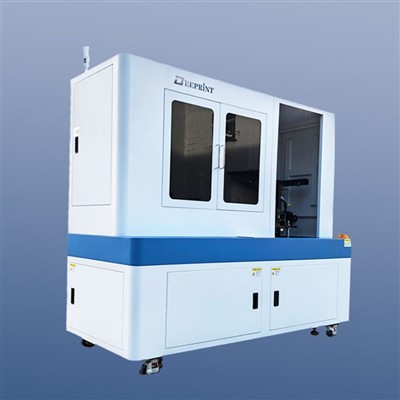
If you’re considering adding a UV inkjet flatbed printing machine to your workflow, or if you want to learn more about how this technology can help your business grow, feel free to reach out to our team for a no-obligation consultation. We’ll walk you through the specific advantages tailored to your industry, help you choose the right model for your production volume, and provide support every step of the way, from installation to ongoing training. Whether you’re a small startup just starting out or an established business looking to upgrade your equipment, we’re here to help you make the most of this powerful technology.
Cylinder Printing Machine References
- Smith, J. (2021). Industrial Printing Technologies: UV Inkjet Flatbed Systems for Modern Manufacturing. Journal of Digital Printing Innovation, 12(3), 45-62.
- Lee, S., & Patel, R. (2022). Substrate Versatility and Print Durability of UV-Cured Inks for Commercial Applications. International Journal of Print Media Science, 8(2), 112-127.
- Global Print Technologies Association. (2023). Market Analysis of UV Inkjet Flatbed Printing Systems: Advantages for Small to Medium-Sized Enterprises. Annual Industry Report, 19-25.
- Carter, M. (2020). Operational Efficiency Gains from UV Flatbed Printing: A Case Study of Small Business Workflows. Journal of Small Business Technology, 15(4), 78-91.
Shenzhen Deeprint Technology Co., Ltd.
As one of the most professional uv inkjet flatbed printing machine manufacturers and suppliers in China, we’re featured by quality products and good service. Please rest assured to buy customized uv inkjet flatbed printing machine made in China here from our factory. Contact us for free sample.
Address: 6-1, Huangwu Road, Tongle Community, Baolong Street, Longgang District, Shenzhen City 518100,China.
E-mail: ellen@uvdprint.com
WebSite: https://www.uvd-print.com/
