If you’re in the game of moving freight—whether it’s for a small business shipping pallets of goods, a contractor hauling equipment, or someone relocating a house full of stuff—ratchet tie downs are probably your go-to tool. But here’s the thing: I’ve seen way too many people grab a set of ratchet straps, yank on them a few times, and call it good, only to get a call from a driver 200 miles away saying half their cargo is banged up. As a supplier who’s been in this space for years, I can tell you cargo damage isn’t always about bad straps—it’s about using them wrong. Let’s break down what actually works to keep your load intact, no guesswork needed. Ratchet Tie Down
First, let’s start with the basics most people skip: picking the right strap for the job. Not all ratchet tie downs are created equal, and using the wrong one is like using a rubber band to hold a cinder block. I’ve had customers come in asking for straps to haul 2,000 lbs of lumber, and they try to grab a set rated for 1,000 lbs—because it looks similar, right? No. The working load limit (WLL) is non-negotiable. That number is the maximum weight a strap can safely handle every time you use it, not just the breaking point. If your load is 1,500 lbs, don’t get a strap with a 1,000 lb WLL—you’re asking for the webbing to stretch or snap mid-haul. Also, think about the material: polyester webbing is the standard for most jobs because it’s tough, resists UV damage, and doesn’t rot if it gets a little damp. Nylon stretches more, which might sound helpful, but that stretch can make your load shift on rough roads. Save nylon for things like towing, not securing cargo.
Then there’s the hardware. The ratchet itself is the engine here—if it’s flimsy, no amount of pulling will save your strap. Cheap ratchets from the dollar store or random online listings often have loose gears or weak levers that slip when under tension. I’ve tested a lot of these; a $10 ratchet might feel okay in the store, but once you put 500 lbs of tension on it, it’ll slide right back and loosen your load. Look for forged steel ratchets—they’re heavier, but they hold tension way better. And don’t sleep on the end fittings. Hooks are the most common, but not all hooks are good. Avoid twisted hooks (those are the ones that look like a “J” with a twist) because they can unclamp from anchor points easily. E-fittings or flat hooks with safety latches are way more reliable—they click into place and won’t slip off if you hit a pothole hard. For loads that might shift, chain ends or winch bars are a good call too, but make sure they match your anchor points.
Once you’ve got the right gear, the next big step is prepping your cargo and your truck bed. A lot of people will just lay a strap over their load and ratchet it down, but that’s a mistake. First, clear any sharp edges. If you’re hauling metal sheets, lumber with splinters, or furniture with metal corners, those will slice through webbing like a hot knife through butter. I always tell customers to wrap sharp edges with a piece of cardboard, a furniture blanket, or even an old rug before applying straps. It takes two minutes, and it stops a $200 strap from turning into trash. Also, don’t leave empty space in your truck bed or trailer. If your load is loose, it’s going to shift—period. Fill gaps with moving blankets, foam padding, or even empty boxes to hold everything tight. For bulky items like sofas or lawn mowers, tie them to fixed anchor points in the vehicle, not just to other pieces of cargo. I’ve seen so many couches fall off the back of a pickup because someone tied them to a chair, and the chair slid out from under them.
Now, the actual process of applying the strap—this is where most people mess up. Let’s start with anchoring: always attach the hooks to strong points, not the thin edge of a truck bed rail or a plastic bumper. The frame of the truck, built-in tie-down loops (the ones that are meant for this, not the random hooks someone welded on), or trailer corner posts are your best bets. If you’re using a truck without built-in anchors, add a set of heavy-duty tie-downs rated for your load size—don’t try to screw a random eye bolt into the side of your truck; it’ll pull out.
Next, the webbing itself. When you run the strap over your load, make sure it’s lying flat, not twisted. A twisted strap creates uneven tension, so one side might be loose while the other is too tight—and that leads to webbing tearing when you ratchet. I’ve watched a customer haul a stack of drywall once; he had one strap twisted, and when he hit a bump, the twist pulled the webbing in half, sending a sheet of drywall flying onto the highway. No joke, that’s a $1,000 damage claim right there, all from a 2-second mistake of not straightening the strap.
Once the strap is on, the ratchet part is critical. A lot of people pull as hard as they can on the ratchet lever, which is over-tightening. Here’s the rule: you should be able to slide a finger under the strap at the ratchet point, but it shouldn’t be loose enough to bunch up. Think of it like tightening a shoelace—you don’t yank it so hard your finger turns blue, but you don’t let it hang loose either. Over-tightening is bad too; it can stretch the webbing beyond its WLL, or even damage the cargo. For things like fragile electronics or glass, go a little lighter, and use extra straps to spread the tension. For heavy, dense loads like bricks or machinery, you can go a bit tighter, but never crank until the ratchet won’t move anymore—you’ll break the mechanism.
And don’t forget to secure the ratchet after you’re done. If you leave the lever open, it can slip back under vibration from the road, loosening your load. Most good ratchets have a lock—either a spring-loaded cover that clicks shut, or a side clip that holds the lever in place. Always use that. I’ve seen loads that were perfectly secured on the way to the highway, but by mile 50, the ratchet had unlocked, and the whole load slid off the trailer. It’s such a simple step, but it makes all the difference.
Wait, let’s talk about common mistakes that people don’t think about. First, using too few straps. A general rule of thumb: for loads shorter than 8 feet, use at least two straps. For longer loads, add one more every 8 feet. If you’re hauling something heavy like a 1,000 lb generator, you might need four straps, not two. Spreading the tension across multiple straps keeps each one from taking all the weight—so even if one slips, the others hold. Second, not checking your straps mid-haul. A lot of people will do all the work, close the doors, and drive off. But after 10 or 20 miles, stop, get out, and check the straps. Vibration makes them loosen, especially on bumpy roads. You might not need to re-tighten them, but just a quick tug to make sure they’re still secure. I always tell customers: a 2-minute stop is way better than a $5,000 cargo claim.
Also, let’s cover wear and tear on the straps themselves. A lot of people use the same ratchet tie downs for years, even when the webbing is frayed or the ratchet is rusty. Frayed edges on webbing mean the strength is gone—even a small fray can cut the WLL by half. I’ve had customers bring in straps that are so worn, the webbing is starting to unravel like a loose thread on a sweater. Don’t use those. Inspect your straps before every use: check for cuts, frays, rust on the hardware, or ratchets that slip. If something looks off, replace it—it’s way cheaper than replacing your cargo.
What about specific loads? Let’s break a few down because generic rules work for most, but some things need extra care. For flatbed loads, you need to tie down from both the top and the bottom? No, wait—for flatbeds, use “crossing” straps: run one strap from the front left anchor to the back right of the load, and the other from front right to back left. That creates a crisscross pattern that keeps the load from sliding forward or backward. For furniture, use furniture pads between the strap and the wood to prevent scratches, and never put straps on upholstery directly—they’ll indent or tear the fabric. For cars or heavy equipment, use heavy-duty winch straps, not regular ratchet straps, because they’re designed for higher weight capacities. And for fragile items like glass or artwork, use soft straps (the ones with padded webbing) to avoid scratching or cracking.
I know a lot of people might think, “Oh, I’ve been using these for years, I know what I’m doing.” But here’s the thing: I’ve been selling ratchet tie downs for 12 years, and I still see people make the same mistakes over and over. Last month, a guy came in with a load of patio furniture that had slid out of his pickup—he said he used two straps, but one was frayed, and he’d twisted both of them. He could have avoided the whole thing if he’d just checked the straps before leaving, and used the right setup.
At the end of the day, cargo damage isn’t just an inconvenience—it’s a hit to your wallet, your time, and maybe even your reputation if you’re a business. As someone who’s on the front lines with customers every day, I’m here to tell you that using the right straps, prepping your load correctly, and following those simple steps will save you from a lot of headaches. If you’re not sure what kind of ratchet tie downs you need for your specific load, just reach out—we can help you pick the right size, WLL, and hardware. No pressure, just honest advice from someone who’s seen what works and what doesn’t.
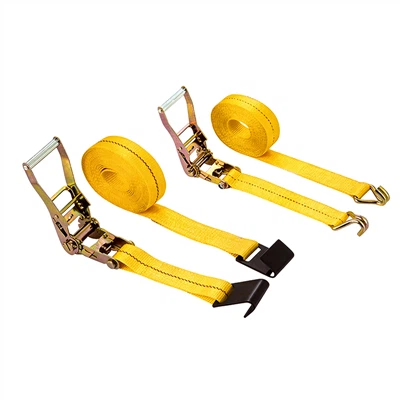
So next time you fire up the truck to haul a load, don’t just grab the first strap you see. Take 5 extra minutes to check your straps, prep your cargo, and secure it right. You’ll get to your destination with your stuff intact, and that’s what matters. If you’re looking for reliable ratchet tie downs that are built to last, hit us up to connect and talk through your needs. No generic products here—just gear that works when you need it.
Ratchet Tie Down References
- Occupational Safety and Health Administration (OSHA). (2021). Cargo Securement Standards for Motor Vehicles. U.S. Department of Labor.
- American Society of Mechanical Engineers (ASME). (2019). Standard for Ratchet Tie-Down Assemblies for Cargo Securement. ASME International.
- National Highway Traffic Safety Administration (NHTSA). (2022). Cargo Securement Best Practices for Commercial Vehicle Operators. U.S. Department of Transportation.
Shengkun Precision Roll Forming Profiles (Shanghai) Co., Ltd.
As one of the most professional ratchet tie down manufacturers and suppliers in China, we’re featured by quality products and low price. Please rest assured to buy high-grade ratchet tie down made in China here from our factory. Contact us for pricelist and quotation.
Address: No.3 Workshop Building Lane2665 Yexin Highway Yexie Town Songjiang District Shanghai China
E-mail: sk@shengkun-rollforming.com
WebSite: https://www.sk-rollforming.com/
