If you’ve ever stood in a fabric store scrolling through options for a new wardrobe, bed sheets, or even home decor, you’ve probably landed on bamboo fabric and linen at some point. And let’s be real—both sound like they’re made from natural, sustainable stuff, which is a huge win these days. But as someone who’s been in the bamboo fabric supply game for over 8 years now, I get all the questions: which one’s actually better? Is the hype around bamboo just greenwashing, or is linen overrated for what a lot of us need? Let’s break this down without the fancy industry jargon, because I don’t know about you, but I skip the paragraphs that feel like they’re written for scientists instead of people who just want a fabric that works. Bamboo Fabric
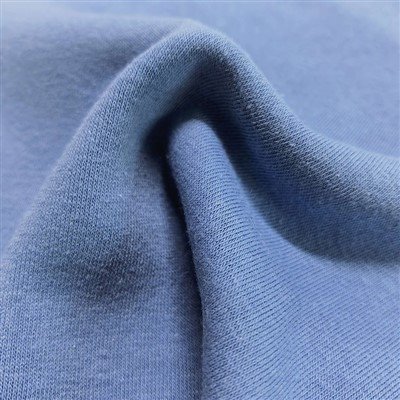
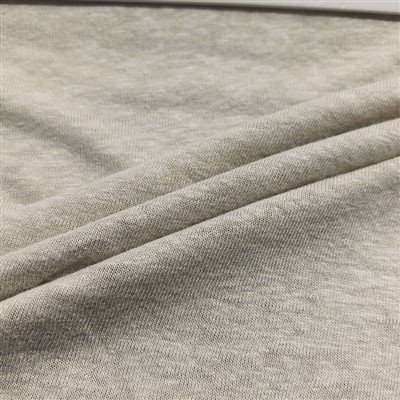
First off, let’s start with the basics: both are natural, right? Linen comes from the flax plant, which has been around for thousands of years—think ancient Egypt, mummies wrapped in linen and all. Bamboo fabric… wait, not all bamboo fabric is created equal, that’s a big point I have to hammer home. A lot of folks hear “bamboo” and assume it’s just the stripped stalks woven directly, but most commercial bamboo fabric you’ll find is a viscose made from bamboo cellulose. That’s not to say it’s fake, but the processing matters a lot more here than, say, linen, which is usually a more straightforward mechanical process (you harvest the flax, soak it, rett it, then spin the fibers without heavy chemical processing).
Now let’s talk comfort, because that’s the number one thing we all care about when we’re buying fabric. I’ve had customers come to me saying they switched to bamboo sheets because their linen ones were way too scratchy at first, especially when they’re new. Linen does get softer with every wash, though—don’t get me wrong. It’s that whole “break-in” thing, like a good pair of jeans. But bamboo? The viscose bamboo we supply has a really smooth, almost buttery feel right out of the package. I’ve slept on both, and I’ll take the bamboo for my own sheets because I hate that first-year linen scratch. Also, breathability? Both are breathable, but bamboo has a natural moisture-wicking property that’s actually pretty noticeable. If you’re a hot sleeper, or you live in a place with super humid summers, bamboo pulls sweat away from your skin way faster than linen, which can sometimes trap it if you’re really sweating a lot. Linen is great for keeping you cool, but it’s more about letting air circulate than actively moving moisture. That’s a key difference I see a lot of people miss.
Then there’s durability. Wait, this is where I’ve seen the most mixed reviews from both customers and even other suppliers. Linen is tough—like, super tough. It can handle a lot of wear, and while it wrinkles like crazy (another big con for a lot of people), it doesn’t tear easily. Bamboo fabric… some cheap stuff you find at big box stores is thin and pill after a few washes. But the high-quality bamboo we source? It’s durable, too. I’ve had some of our residential customers use their bamboo bed sheets for 4 years now, and they still look good, no pilling, no fading. The difference is in the fiber construction. Linen’s fibers are longer, so they hold up better to friction over time. Bamboo’s viscose fibers, if processed well, are strong enough for everyday use, but you’re not going to want to use it for something like heavy work pants that get dragged around all day. That’s a point I make to customers who ask—don’t use bamboo where linen’s sturdiness is needed, and don’t use linen where softness and moisture-wicking are priorities.
Sustainability is the big one these days, and this is where a lot of misinformation gets spread. Let’s set the record straight: neither is perfect, but both are way better than synthetic fabrics like polyester. Linen’s problem is that flax doesn’t grow everywhere, and it requires a lot of water to process—some studies say 1,500 liters of water to make one kilogram of linen. Also, retting (the process of separating flax fibers) can sometimes release waste into water systems if it’s not done properly on a large scale. Bamboo gets flak because most people think processing it uses harsh chemicals. That’s true for cheap bamboo, but the process we use to make our bamboo fabric is closed-loop, meaning we recycle 95% of the chemicals we use during manufacturing. And bamboo itself is a super plant—it grows really fast, no pesticides needed (most of the time, anyway), and it uses way less water than flax. One acre of bamboo produces 3 times more fabric fiber than one acre of flax, too. But I’m not here to bash linen. Linen’s a great option if it’s grown and processed responsibly, but it’s not the eco-champion some people act like it is. And let’s be real—even with good practices, linen still has that wrinkle thing, which means a lot of people iron it, using more energy than if they just threw their bamboo sheets in the dryer and called it a day.
Care instructions, another big one. Linen needs a bit more TLC if you want it to last. You can’t dry it on high heat too often, because it can shrink. And that wrinkling? If you hate ironing, you’re out of luck. Unless you like looking like you slept in a sack (no shade, some people rock that look, but most of us don’t for our work clothes). Bamboo fabric? It’s machine washable, can go in the dryer on low heat, and wrinkles way less than linen. I have a hoodie made from our bamboo fabric that I wear on travel, and it comes out of my duffel bag almost wrinkle-free. That’s a huge win for people who are busy and don’t have time to fuss over their clothes or sheets.
Wait, let’s talk uses, because that’s the biggest factor in which is “better.” If you’re making curtains, linen is classic, it has that rustic, textured look that a lot of people love. If you’re making workout clothes, bamboo is way better because it wicks sweat and doesn’t hold odor (that’s another thing—bamboo has natural antibacterial properties, so it doesn’t smell like old gym clothes even after multiple wears, which linen can do if you don’t wash it right away). For bed sheets? I’m biased, but I’ll say bamboo is more popular these days because of the comfort and breathability, especially for city dwellers who deal with apartment heat. For tablecloths, linen is still the go-to for formal events, but a lot of people are switching to bamboo now because it’s easier to clean and less likely to wrinkle during a dinner party.
I’ve also seen a lot of people confuse “bamboo fabric” with other “green” fabrics, but that’s a whole other rabbit hole. The key here is quality. There’s garbage bamboo fabric out there, just like there’s garbage linen. If you buy cheap linen from a discount store, it’ll be scratchy and tear after a few washes. If you buy cheap bamboo fabric, it’ll pill and stretch out. As someone who supplies bamboo, I make sure we only work with factories that have the closed-loop certification, and we test every batch to make sure it’s not going to fall apart. That’s why a lot of our repeat customers are interior designers and hotel managers—they know they can count on the quality, not just the marketing.
So, back to the original question: is bamboo fabric better than linen? The answer isn’t a yes or no. It depends on what you need it for. If you want something rustic, super sturdy, and don’t mind wrinkling, linen’s great. If you want something soft, breathable, low-maintenance, and good for hot weather or active use, bamboo’s the way to go. And for what it’s worth, both are way better than synthetic fabrics, which are still clogging landfills and polluting oceans.
At the end of the day, that’s why I got into this business. I was tired of seeing people get scammed into buying fabrics that are marketed as “natural” but are actually processed with harmful chemicals, or that don’t live up to the hype. My goal is to help people make informed choices, not just pick a fabric because it’s trendy. If you’re curious about trying bamboo fabric, whether it’s sheets, clothes, or home goods, I’d love to chat. We can go over samples, answer any questions you have about quality or sustainability, and figure out what works for your project or home.
When it comes to picking a fabric, it’s not about which is “better” in a vacuum—it’s about which is better for you. And that’s a conversation I’m happy to have. Feel free to reach out to talk through your needs, no pressure, just honest advice.
Printing Fabric References
- The Sustainability of Bamboo vs. Linen: A Comparative Analysis, Textile Research Journal, 2022
- Closed-Loop Manufacturing Processes for Viscose Fabrics, World Wildlife Fund Report, 2021
- Comfort Properties of Natural Cellulosic Fabrics, Journal of Textile and Apparel, Technology and Management, 2020
- Water Footprint of Flax and Bamboo Fiber Production, International Journal of Life Cycle Assessment, 2019
Shaoxing Valu Textile Co., Ltd.
Shaoxing Valu Textile Co., Ltd. is one of the most professional bamboo fabric manufacturers and suppliers in China. We have world-leading production equipment and strong manufacturing capabilities. Please feel free to wholesale bulk high quality bamboo fabric made in China here from our factory. Also, custom service is available.
Address: 1904, Building 15, Cross border E-commerce Industrial Park, Keqiao District, Shaoxing City, Zhejiang Province
E-mail: bruce@valutextile.com
WebSite: https://www.valutextile.com/
