Hey there, it’s Mia from your go-to blanket crew—yep, the team that’s got that fluffy, cozy down alternative stash you’ve been eyeing lately. If you’ve ever washed a down alternative blanket wrong and ended up with lumpy clumps that feel more like a rock than a cloud, you’re in the right spot. I’ve heard it all: “I threw mine in the dryer and it shrank to a toddler size” or “I used regular detergent and now it smells like chemical cleaner.” Lucky for you, after years of working with these blankets (and testing way too many bad care hacks), I’ve got the no-BS guide to keeping your down alternative blanket looking and feeling like new for years. Blanket
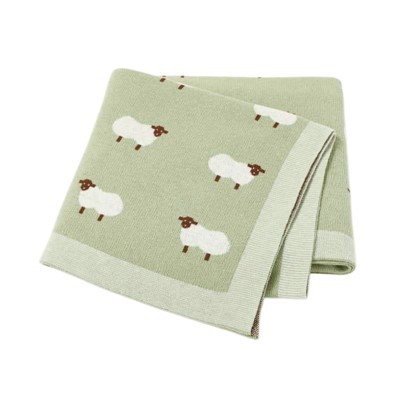
First off, let’s cut to the basics: what even is a down alternative blanket, anyway? You might think it’s just “fake down,” but at our factory, we use microfiber polyester fill for most of our standard ones and recycled polyester for the eco-friendly picks. That fill’s lightweight, hypoallergenic, and way easier to care for than real down—no dry cleaning required, thank goodness. But here’s the thing: that soft, clump-free feel depends on how you handle it. Mess up the care steps, and those tiny poly fibers clump together like old cotton candy gone stale. I’ve seen customers bring back blankets after a single wash that were so lumpy they could double as a doorstop, all because they skipped a key step.
Let’s start with the biggest question most people ask: “How often do I actually wash this thing?” I get it—blankets can feel like they last forever, but trust me, even if you’re using a duvet cover (which you should, by the way!), they need washing every 6 to 12 weeks. Wait, 12 weeks? Yeah, if you’re someone who only uses it on the couch for movie nights and never spills wine on it. But if it’s your main bed blanket or you have pets (guilty, my golden retriever sheds like crazy), that drops to every 4 to 6 weeks. Spilling coffee, sweat, or that random snack crumb you forgot about? Wash it within a week—don’t wait for it to get stinky. I once had a customer wait 5 months to wash their blanket (don’t ask) and it had a permanent stain that never came out. Save yourself the headache.
Now, the washing part—this is where most people mess up. I’ve lost count of how many bad washing tips I’ve seen online: “use hot water!” “add bleach!” Um, no. Let’s keep it simple. First, check the care tag, right? We sew those little tags on every blanket for a reason! If it’s one of our premium picks, it’ll say “machine wash cold” for a reason. Hot water might seem like it kills bacteria, but it breaks down the microfiber fill over time and makes the blanket fade. Even worse, hot water can cause colors to bleed—imagine your white blanket turning pink from your red sheets. Not cute.
Next, detergent. Don’t use regular laundry detergent. Wait, why? A lot of standard detergents have enzymes and chemicals that leave residue on the poly fibers, making them stiff and clumpy. For down alternative blankets, use a mild, hypoallergenic detergent—we love the ones made for delicates or performance wear. Skip the fabric softener, too. Fabric softener coats the microfiber, making them less fluffy over time and even attracting more dust. If you’re worried about static (which can happen with synthetic fills), toss a single dryer sheet in the dryer later—just don’t put it in the wash. And don’t overuse detergent, either. A quarter cup is more than enough for a full blanket—more than that means extra residue that’s hard to rinse out.
Now, washing machine settings. Use a front-loading washer if you can—top-loaders with an agitator can yank and twist the blanket, causing clumps. If you only have an agitator top-loader, make sure the blanket is fully spread out so it doesn’t get tangled. Use the gentle or delicate cycle, and keep the load size small—don’t stuff your washer full. A full load might feel efficient, but the blanket won’t get cleaned evenly, and it’ll be squished so bad it won’t fluff right. I once tried washing two blankets at once and ended up with one that was lumpy in the middle and the other that was way too stretched out. Lesson learned.
What about drying? This is the second biggest culprit of lumpy, sad blankets. A lot of people throw it in the dryer on high heat and call it a day. Bad idea. High heat can melt the microfiber fill—yep, actually melt it. That’s when you get those weird, sticky clumps that you can’t fluff out. Instead, use low or medium heat. And here’s the secret trick we use at the warehouse to keep fills fluffy: add two to three clean tennis balls to the dryer. Wait, tennis balls? Hear me out. The balls bounce around, hitting the blanket and breaking up clumps as it tumbles. No more lumps! Just make sure the tennis balls are clean—if they have pet hair or dirt on them, that’ll transfer to your blanket. I keep a pair of clean tennis balls specifically for drying blankets, and it’s a game-changer.
How long do you dry it? Don’t just go by the timer. Check it every 15 minutes. The blanket should be completely dry, not just damp. Dampness is the #1 cause of mildew, and nobody wants a stinky blanket. If it’s still a little damp, throw it back in for another 10 minutes. Once it’s dry, take it out immediately—don’t leave it sitting in the dryer for hours. That just makes it get wrinkly and lumpy again.
Wait, what if you already have a lumpy blanket? Don’t panic. You don’t have to toss it. Toss it back in the dryer on low heat with those tennis balls for 20 more minutes. The tumbling will break up most of the clumps. If there’s still a small lump, you can gently knead it with your hands while it’s still warm from the dryer. I did this with my first lumpy blanket and it was almost as good as new. Just don’t yank at the clumps—you’ll pull the fibers loose.
Now, care hacks for between washes to make your blanket last longer. First, use a duvet cover. Even if you take good care of your blanket, a duvet cover catches most of the stains, spills, and pet hair, so you don’t have to wash the actual blanket as often. We make matching duvet covers for most of our blankets, by the way—they’re soft, easy to wash, and protect your cozy investment. Second, shake it out every week. Take it outside (or even in the bathroom, if you don’t want dust everywhere) and give it a good shake. That gets rid of surface dust and crumbs before they get ground into the fabric. Third, air it out once a month. Hang it on a clothesline or drapes for an hour on a nice, sunny day. Sunlight kills bacteria and freshens it up without washing, plus it gets that fluff back without any effort. I do this with my own blanket and it feels way softer, no detergent needed.
What about spot cleaning? Spilled red wine on your couch blanket? Peed on it by accident (we’ve all been there with pets or kids)? Don’t throw the whole thing in the wash yet. Grab a clean cloth, mild detergent, and cold water. Blot the stain—don’t rub, that makes it spread. Gently dab the detergent mixture on the stain, then rinse with cold water and blot dry. If it’s a tough stain, you can use a little baking soda mixed with water to make a paste, let it sit for 10 minutes, then blot it off. Never use hot water on stains—like I said earlier, hot water sets them. I once watched my friend rub a red wine stain with hot water and it stayed forever. Don’t be that friend.
Wait, let’s talk about the do’s and don’ts to make this even simpler. Do use a duvet cover. Do use mild detergent. Do use low heat and tennis balls in the dryer. Do air it out every month. Do wash it regularly. Don’t use hot water. Don’t use regular or heavy detergent. Don’t stuff your washer or dryer. Don’t leave it in the dryer too long. Don’t rub stains—blot only. That’s it, super easy.
Now, let’s address the eco-friendly angle, since a lot of you ask about that. Our recycled down alternative blankets are made from plastic bottles, right? So their care is a little different? No, actually, the care steps are exactly the same. Just make sure you’re using a detergent that’s not too harsh, because we want to keep those recycled fibers in good shape, not break them down. And don’t over dry them—since they’re a little more lightweight, they dry faster, so check them 10 minutes earlier than you would a standard blanket.
I know, I know, some of you are still thinking, “This is way more work than my old cotton blanket.” But trust me—taking 10 extra minutes with each wash will make your blanket last 5, 10, even 15 years, instead of 1 or 2. We’ve had customers email us saying their first blanket from us is 8 years old and still feels like the day they got it, all because they followed these steps. That’s the whole point, right? You want to snuggle up in something soft, not something that feels like a crumpled paper bag.
If you’ve tried all these steps and your blanket is still not feeling right, or you have questions about a specific care tag (we’re here for you—some of our overseas blankets have tags that are hard to read), hit us up. We don’t just sell blankets—we want you to be happy with them long-term. And if you’re a business owner looking to stock high-quality, easy-to-care-for down alternative blankets for your customers, we’ve got bulk ordering options too. Just reach out to our team to chat about pricing, minimum orders, and custom picks. We’re here to help, no pressure—just good blankets and good vibes.
Now, quick recap to make sure you don’t forget anything: Wash every 6-12 weeks, mild detergent, cold water, gentle cycle, front loader if possible, low heat, tennis balls in dryer, air it out monthly, duvet cover = longer life, spot clean only for small stains. That’s all. No fancy tricks, no expensive products, just common sense that works.
I used to think caring for a down alternative blanket was a hassle, but once I got the hang of it, it’s second nature. My blanket is always fluffy, smells fresh, and looks great, and I’ve saved hundreds of dollars by not having to replace it every year. So take it from someone who tests way too many blankets for a living—these steps actually work.

Next time you’re snuggling up on the couch or getting into bed, give your blanket a little pat, remember these tips, and it’ll take care of you for years to come. And if you ever need more tips, or want to stock the best down alternative blankets for your store, we’re just a message away.
Decorative Cushion References
- Textile Care Alliance. "Guidelines for Synthetic Fiber Laundry Care." 2022.
- American Cleaning Institute. "Tips for Washing Synthetic Bedding Products." 2023.
- International Sleep Products Association. "Care and Maintenance for Down Alternative Bedding." 2021.
- University of Georgia Extension. "Laundering Synthetic Fibers: Best Practices for Longevity." 2022.
- Textile Institute. "Synthetic Fill Performance and Care Protocols for Bedding." 2023.
Hangzhou Lenge Homeware Co., Ltd.
With abundant experience, we are of the most professional blanket enterprises in China. Please rest assured to buy bulk high quality blanket in stock here from our factory. If you have any enquiry about customized service, please feel free to email us.
Address: G45, F1, NO.4 BUILDING, NO.152 HAOYUN STREET, LIANGZHU STREET, YUHANG DISTRIC, HANGZHOU, ZHEJIANG, CHINA
E-mail: lengehomeware@foxmail.com
WebSite: https://www.lengehomeware.com/
