When I first started working as a wood veneer supplier over a decade ago, I heard countless questions from kitchen designers, remodelers, and homeowners: “Is wood veneer really sturdy enough for kitchen cabinets?” It’s a fair question—kitchens are high-traffic spaces, exposed to moisture, heat, scratches, and daily wear that would test almost any material. For years, many people wrote wood veneer off as a “cheap alternative” to solid wood, assuming it would warp, peel, or look shoddy after a few years. But over the last decade, we’ve seen more and more clients choose veneer for their kitchen cabinet projects, and the results have been far better than anyone expected. Today, I want to break down whether wood veneer is actually suitable for kitchen cabinets, based on what I’ve learned working with the material day in and day out, as someone who’s not just selling veneer but has installed, maintained, and troubleshooted it for hundreds of clients. Wood Veneer
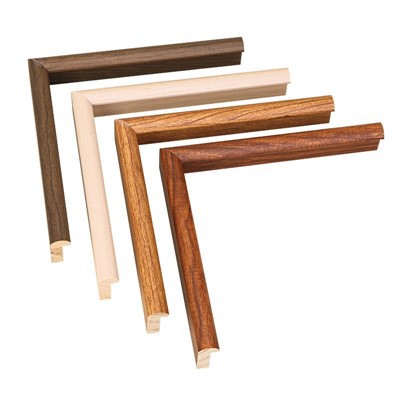
First, let’s get clear on what wood veneer is, because that’s where a lot of the confusion comes from. Veneer is a thin layer of real wood—usually 1/28 of an inch to 1/4 of an inch thick—sliced from a solid log, then adhered to a core material, like plywood, medium-density fiberboard (MDF), or particle board. A lot of people mix it up with laminate, which is a man-made product made from plastic and resin, or “faux wood” alternatives. The key difference here is that veneer is 100% real wood, so it has the same natural grain, warmth, and character as solid wood, but at a fraction of the cost. When it comes to kitchens, that natural look is a big win—many homeowners love the way wood feels and looks, without the price tag of solid wood cabinets (which can cost two to three times more than veneer options, depending on the species).
But the biggest concern for kitchens is durability. Let’s address that head-on. Can wood veneer hold up to the daily abuses of a kitchen? The answer is yes—if it’s installed and finished correctly. I’ve seen veneer cabinets that have been in family kitchens for 15 years, with minimal signs of wear, and I’ve also seen solid wood cabinets that were ruined in 5 years because they were poorly finished or installed. The core material makes a huge difference here. For kitchen cabinets, I always recommend a plywood core over MDF or particle board, because plywood is more resistant to moisture and expansion. When veneer is glued to a solid plywood core, it moves with the wood instead of against it—so it’s less likely to peel or crack over time. That’s a detail I stress to every designer I work with; skipping a good core is the number one reason veneer cabinets fail.
Another factor is the finishing. Veneer itself is just a thin sheet of wood—what protects it is the top coat. Most kitchen veneer cabinets are finished with a catalyzed polyurethane, lacquer, or a conversion varnish, which creates a hard, protective barrier against spills, heat, and scratches. I’ve had clients spill red wine, tomato sauce, and even hot grease on their veneer cabinets, and a quick wipe with a mild cleaner was all it took to remove the stain. Of course, no finish is completely bulletproof—if you leave a hot pan directly on the veneer surface, you might get a heat mark, but that’s true of solid wood too. The key is to use a heat pad for hot cookware, just like you would with any wood cabinet.
Wait, but what about moisture? Kitchens get steamy, especially near the sink and stove, so warping is a common worry. Solid wood warps too, right? Actually, veneer is often more stable than solid wood for kitchen use. Because the veneer is thin, it acclimates to the environment faster than a thick solid wood board. Also, when veneer is applied to both sides of a cabinet panel (a process called “cross-banding”), it balances the expansion and contraction. If you have a solid wood panel, it will expand more on one side than the other when exposed to humidity, leading to warping. Veneer panels, when cross-banded, are much flatter and more resistant to that kind of movement. I had a client last year who installed solid wood cabinets near a kitchen island sink, and after two years, the door warped so bad it wouldn’t close. We replaced it with a veneer door on a plywood core, and a year later, it’s still perfectly flat. That’s not an isolated case—it’s a common issue with solid wood in high-moisture areas.
Of course, wood veneer isn’t perfect, and there are some scenarios where it might not be the best choice. For example, if you’re going for a very rustic, hand-hewn look with thick, solid wood slabs, veneer won’t replicate that—you need solid wood for that chunky, organic feel. Also, if you plan to sand and refinish your cabinets multiple times over their lifespan, veneer might not be thick enough to handle that: most kitchen veneer is around 1/16 of an inch thick, so you can sand it maybe once or twice, whereas solid wood can be refinished 5 to 10 times. But for most homeowners, refinishing a kitchen cabinet isn’t a regular task—most people replace their cabinets every 15 to 20 years, so even one refinish is more than enough. That’s a detail I always explain to clients who are weighing solid vs. veneer: you might not need the refinish capability anyway.
Another point to consider is style. Wood veneer comes in hundreds of species and cuts—from straight-grain oak and maple to rich walnut, exotic teak, and even reclaimed wood veneer for a farmhouse or industrial vibe. It’s way more versatile than most people realize. I’ve supplied veneer for modern kitchen cabinets with sleek, flat doors, traditional raised-panel doors, shaker style, and even custom curved doors. Unlike laminate, which has a rigid, uniform look, each veneer sheet has unique grain patterns, so your cabinets will be one-of-a-kind, just like solid wood. That’s a big selling point for clients who want a custom look without the custom price tag.
I also want to talk about cost, because that’s a major factor for most kitchen remodels. Solid wood cabinets can cost anywhere from $15,000 to $50,000 for a standard 10×10 kitchen, while wood veneer cabinets are often $8,000 to $20,000 for the same size. That difference adds up, and it’s money you can put toward other parts of your kitchen, like a better countertop, appliances, or a backsplash. For small business owners or homeowners on a budget, that makes a huge difference. And don’t let the lower cost fool you into thinking it’s lower quality—many of the high-end cabinet brands use veneer for their lines, because they know it’s durable, looks great, and saves money.
I’ve also heard concerns about sustainability, which is a big topic these days. As a veneer supplier, I source most of our wood from FSC-certified forests, which means they’re managed responsibly, with reforestation plans in place. Veneer uses less wood than solid wood—because you’re only using a thin layer, not a thick log for every cabinet door. That means less waste, and it’s a more environmentally friendly option than solid wood. If you’re worried about the environmental impact of your cabinets, veneer is actually a good choice here.
Let me share a recent client story to put this all in perspective. A few months ago, a family in Chicago came to me after their solid wood cabinets started warping and staining. They had a large kitchen with an island, and the steam from their dishwasher and the humidity from the Great Lakes area had taken a toll. They wanted to remodel on a budget, so they chose oak veneer cabinets with a plywood core and a catalyzed polyurethane finish. Six months in, they sent me a photo showing their new cabinets: the island door is flat, there are no stains, and the grain looks amazing. They told me they’re glad they didn’t spend extra on solid wood, because the veneer has held up way better than their old solid wood did in the same space. That’s exactly the kind of result I see again and again.
So, to wrap this up: is wood veneer suitable for kitchen cabinets? The answer is a resounding yes, when it’s chosen and installed correctly. The key is to pick a good quality veneer (thick enough for kitchen use, at least 1/16 of an inch), a plywood core, and a durable finish. It’s more stable than solid wood in high-moisture kitchen environments, looks identical to real wood, costs significantly less, and is more sustainable. That said, it’s not the right choice for every project—if you want a thick, solid wood slab look or plan to refinish your cabinets multiple times, solid wood might be better. But for 90% of kitchen remodels, wood veneer is a practical, beautiful, and durable option.

As someone who’s worked with wood veneer for years, I can tell you that the old myths about veneer being cheap or flimsy are just that—myths. Today’s veneer products are a far cry from the thin, flimsy sheets of the past. We work with designers and contractors every day to supply high-quality veneer that’s perfect for kitchen cabinets, and we stand behind our product. If you’re planning a kitchen remodel and want to learn more about how wood veneer can work for your project, feel free to reach out to us for a consultation. We can help you choose the right species, finish, and core for your needs, and answer any questions you have about durability, maintenance, or cost.
Furniture Board References:
- Wood Industry Association. (2022). Wood Veneer vs. Solid Wood: Performance in Residential Applications. National Woodworking Report.
- International Code Council. (2021). Residential Kitchen Materials: Moisture Resistance Standards for Cabinetry. Building Codes Update.
- Sustainable Forestry Initiative. (2023). The Environmental Impact of Engineered Wood Products. Annual Sustainability Report.
- Kitchen Cabinet Manufacturers Association. (2022). Durability Guidelines for Kitchen Cabinet Materials. Industry Technical Bulletin.
Yongkang City Dashu Decorative Materials Co., Ltd.
As one of the most professional wood veneer manufacturers and suppliers in China, we have world-leading production equipment and strong manufacturing capabilities. Please rest assured to buy bulk customized wood veneer at low price from our factory.
Address: No. 1199, Huajie West Avenue, Huajie Town, Yongkang City
E-mail: m13506791251@163.com
WebSite: https://www.dashutrim.com/
