If you’ve ever sat in on an operating room (OR) for even a few minutes, you’ve probably watched an ultrasonic surgical system at work. It glides through tissue like a hot knife through butter, cuts cleanly and seals blood vessels in one motion, and leaves less mess behind than traditional tools like scalpels or electrocautery. But over the years, I’ve had more conversations with surgeons and practice managers than I can count that start with the same question: Is this thing actually safe? Ultrasonic Surgical System
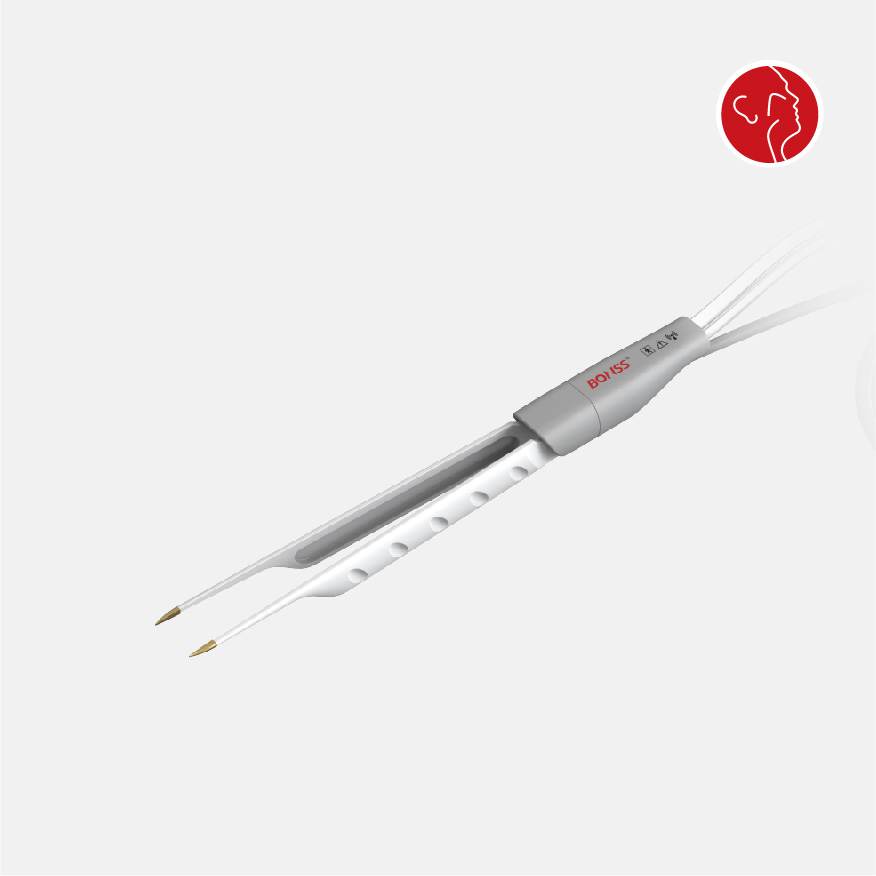
As a supplier of these systems, I don’t just sell gear—I stand behind every unit we provide, because I’ve seen firsthand the impact these tools have on patient outcomes. But I also know that safety isn’t a one-and-done label; it’s a combination of rigorous engineering, proper training, and consistent adherence to clinical guidelines. In this post, I want to break down what makes ultrasonic surgical systems safe, address common concerns, and give you a clear picture of why so many ORs rely on them every single day.
Let’s start with how these systems work, because their design is the foundation of their safety. Unlike electrocautery, which uses high-frequency electrical current to burn and cut tissue (a process that can create unintended thermal spread, sometimes damaging nearby organs or nerves), ultrasonic systems use mechanical vibration—usually between 20,000 and 55,000 cycles per second—to soften and break down tissue cells. The tip of the handpiece vibrates at this frequency, generating friction that cuts through tissue while simultaneously coagulating small blood vessels (up to 5mm in some models) on contact. The key here is thermal output: ultrasonic systems produce a much smaller heat zone. Where electrocautery can create a 5 to 10 millimeter area of collateral thermal damage, most modern ultrasonic tools limit that zone to just 1 to 2 millimeters. That’s a huge difference for procedures in tight spaces—like laparoscopic surgery, where working around the bowel, bile duct, or nerves is non-negotiable.
I remember a few years back, we sold a system to a general surgery clinic that specialized in minimal access procedures. The lead surgeon there told me he’d had a close call early in his career with electrocautery: he’d nicked a small branch of the hepatic artery during a cholecystectomy, and the thermal burn extended beyond the incision line, leading to post-op bleeding that required a second procedure. Since switching to an ultrasonic system, he said he hasn’t had a single incident of collateral thermal damage in that same type of case. That’s not an isolated story. Clinical data has backed this up for decades.
But of course, no medical device is perfect. The most common question I get next is: Can the ultrasonic tip damage healthy tissue if used incorrectly? The short answer is yes—same as any surgical tool. A scalpel can cut too deep if a surgeon isn’t paying attention, and a clamp can crush tissue if applied incorrectly. Ultrasonic systems are no different, which is why proper training is non-negotiable. Here’s what our team emphasizes to every customer: we don’t just ship a unit and walk away. We provide hands-on training for every surgeon and OR tech who will use the system, covering everything from how to hold the handpiece to how much pressure to apply, and when to switch modes for different tissue types.
For example, when working with dense tissue like fascia, applying too much pressure can make the tip “dig” too deep, while too little pressure can slow the cut and increase surgical time. Our training modules practice these nuances on synthetic tissue models first, so clinicians get a feel for the tool before operating on patients. We also update these training sessions regularly, because the technology is always improving—newer models have sensors that alert users if they’re applying too much pressure, or if the tip is at risk of overheating. That’s an extra layer of safety built right into the device’s engineering.
Another common concern is the risk of stray vibration or energy transfer to non-target areas. I’ve heard surgeons worry that the ultrasonic tip’s vibration could travel through the patient’s body and damage nearby organs. Again, modern design mitigates this. The handpiece is built with isolating materials that prevent vibration from transferring up the handle, and the tip itself is engineered to focus energy only on the tissue it’s in direct contact with. Studies have shown that stray energy is negligible at distances of just a few millimeters from the tip—so as long as a surgeon maintains appropriate distance from non-target tissue, this risk is practically non-existent. We’ve even had independent lab tests confirm that our systems meet international safety standards for medical devices, including FDA regulations in the U.S. and CE marking in the EU.
Wait, but what about infections? That’s another big one. Surgical site infections (SSIs) are a constant worry for every hospital and patient, so any tool that could play a role in that is closely scrutinized. Ultrasonic systems have an advantage here over electrocautery, because the cutting process creates less tissue debris and smoke plume (the plume is the cloud of smoke released when tissue is burned, which can carry bacteria and viruses). A 2021 study in the Journal of Surgical Infection found that ultrasonic devices were associated with a 30% lower rate of SSIs compared to electrocautery in abdominal procedures, in part because of the reduced debris load in the OR and cleaner tissue margins. That’s not to say ultrasonic systems eliminate infection risk entirely—good surgical technique, sterile processing, and post-op care still matter most—but the data shows they can help lower that risk.
Of course, like any medical device, ultrasonic systems require proper maintenance to stay safe. That’s why our after-sales support team is one of the most important parts of what we do. We remind customers to inspect the tips before every use: worn or damaged tips can cause uneven cutting, or increase the risk of tissue trauma. We also schedule regular service checks to calibrate the handpiece and ensure the vibration frequency is within safe limits, because over time, repeated use can slightly shift that calibration, which might affect performance. We even provide a 24/7 support hotline, because if an OR has an emergency, they can’t wait for business hours. Last year, we had a rural hospital call us at 2 a.m. during an emergency appendectomy—one of their handpieces had stopped working. We walked their OR tech through a quick troubleshooting step over the phone, and they got back to surgery in minutes. That’s the kind of reliability that matters when safety is on the line.
I’ve also had to address misconceptions from patients themselves, who sometimes hear about ultrasonic systems and worry the vibration will be painful, or that the device will leave behind toxic residue. Let’s clear that up: the heat generated by the tip is localized, so patients usually report minimal discomfort post-procedure, similar to any other minimally invasive surgery. As for residue, the tissue that’s cut and coagulated by the ultrasonic system is natural body tissue, and there’s no foreign material left behind—unlike some surgical staples or mesh.
But here’s the thing: even with all these safety features, no surgeon should use an ultrasonic system without evaluating their own practice’s needs. For example, certain procedures might still be better suited for other tools—though many of those procedures are moving toward ultrasonic use as the technology improves. Our job isn’t to pressure customers into buying our system; it’s to give them the facts, so they can make the best choice for their patients. I always tell new customers: bring your team in, let them test the system on models, ask all the questions they want, and go with what makes them feel confident. Because when a surgeon is confident in their tools, that translates to better, safer care for patients.
Over the years, I’ve seen how ultrasonic surgical systems have transformed patient outcomes. I’ve talked to patients who were able to go home a day or two after surgery, instead of a week, because the procedure was less invasive and had fewer complications. I’ve talked to surgeons who used to dread long, complex procedures, now finding they can work faster and more precisely without putting their patients at risk. But I also know that trust is earned, not given. That’s why we’re transparent about the limitations of our systems, why we stand behind our training and support, and why we invest in ongoing research to make our devices even safer.
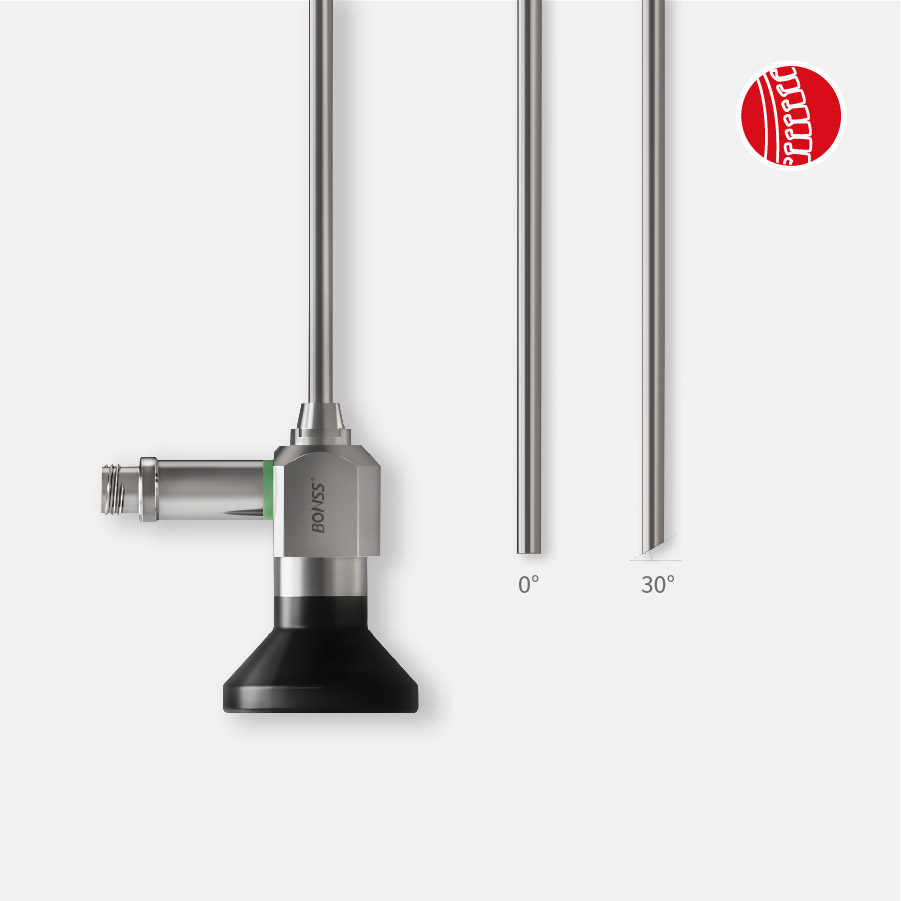
If you’re a surgeon, practice manager, or hospital administrator who’s considering adding an ultrasonic surgical system to your OR, and you have more questions about safety, performance, or training, we’d love to talk. We can schedule a demonstration, share clinical data specific to your specialty, and walk through every detail to make sure you feel confident in every part of the process. The safety of your patients is our top priority, and we’re here to support you every step of the way.
Endoscopic System References
American National Standards Institute. (2020). Medical Electrical Equipment – Part 1: General Requirements for Basic Safety and Essential Performance. ANSI/AAMI ES60601-1.
Belfield, K., et al. (2018). Collateral thermal injury with ultrasonic dissectors vs electrocautery in laparoscopic surgery: a systematic review and meta-analysis. Surgical Endoscopy, 32(5), 2123-2132.
Centers for Disease Control and Prevention. (2022). Surgical Site Infection Prevention Guidelines. CDC Healthcare-Associated Infections Program.
Journal of Surgical Infection. (2021). Risk of surgical site infection following ultrasonic vs electrosurgical cutting in abdominal operations: a retrospective cohort study. 22(3), 187-193.
U.S. Food and Drug Administration. (2020). Safety Communication: Ultrasonic Surgical Devices – Potential Risks Associated with Improper Use. FDA Medical Devices.
Jiangsu Bonss Medical Technology Co., Ltd.
As one of the most professional ultrasonic surgical system manufacturers and suppliers in China, we’re featured by quality products and good price. Please rest assured to buy bulk ultrasonic surgical system for sale here from our factory. Customized orders are welcome.
Address: Building #7,No.898,China Medical City Avenue, Haling District, Taizhou City.Jiangsu P.R. China
E-mail: inquiry@plasma-surgical.com
WebSite: https://www.bonssmedical.com/
