Hey everyone, if you’re running a business that uses gas cylinders—whether it’s a fabrication shop, a lab, a food processing facility, or even a mobile welding rig—you know a safe, functional gas cylinder setup isn’t just about the tank itself. Over the 10+ years I’ve been running our Cylinder Accessories shop, I’ve seen so many folks cut corners on parts that seem “small” at first, only to end up with leaks, safety hazards, or even downtime that costs way more than the right accessories would’ve in the first place. Today I’m breaking down every accessory you actually need for a solid gas cylinder setup, no fluff, just the stuff that works and keeps you compliant. Cylinder Accessories

First, let’s start with the basics: you can’t just pick up a cylinder and turn its valve on without a regulator. Wait, hold on—regulators aren’t one-size-fits-all, right? That’s the mistake so many new buyers make. A regulator is what controls the high pressure inside the cylinder (which can be anywhere from 2,000 to 3,000 PSI for most industrial and medical gases) down to a safe, usable pressure for your tool, machine, or process. If you hook a hose directly to a cylinder valve, that 2,000 PSI will blow the hose apart before you even react. I always tell customers to match their regulator to the gas type too—you can’t use an oxygen regulator for acetylene, or a hydrogen regulator for carbon monoxide. We stock single-stage and dual-stage regulators, but the single-stage is great for most small to medium setups, while dual-stage is better for labs or processes that need super consistent pressure (like welding precision parts). Also, don’t forget the delivery pressure rating on your regulator has to match what your equipment requires—check your tool’s manual, trust me, that’s where a lot of people mess up.
Next up: hoses and connections. Once your regulator’s set, you need a hose that can handle the gas and the pressure. For most industrial gases like oxygen, argon, or nitrogen, we use EPDM rubber hoses with nylon braided reinforcement—they’re durable, resistant to abrasion, and stand up to regular use. For flammable gases like acetylene or propane, we have specialized hoses that are oil-resistant and won’t degrade when exposed to fuel vapors. Here’s a pro tip: never mix hoses for different gases. Oxygen hoses are green (in the U.S., at least), acetylene is red, nitrogen is black—color coding is there for a reason. Also, your hose fittings need to match both your regulator and your equipment, and they should be crimped properly, not just twisted on. We sell pre-assembled hose sets with the right fittings, but if you’re building your own, get a hose crimper, not a wrench—over-tightening can crack the fitting and cause leaks. Oh, and don’t skip hose protectors! If your hose runs across a walkway, gets rubbed against a piece of metal, or is near hot parts, a hose protector (usually a flexible plastic or rubber sleeve) will extend its life and prevent leaks.
Now, safety accessories—these are non-negotiable, not optional. First, a flashback arrestor. If you work with flammable gases, a flashback arrestor is absolute must-have. It’s a small device that sits between your regulator and your hose (or sometimes between the hose and your tool) that stops a flashback—when the flame from a backfire travels back up the hose to the cylinder—from reaching the tank. I’ve seen a flashback without an arrestor blow a regulator apart, and that’s not something you want anywhere near your workplace. We have both inlet and outlet flashback arrestors, so make sure you get the right ones for your setup. Then there’s a pressure relief valve. Even with a regulator, if something goes wrong (like a regulator malfunctioning and building up too much pressure), a pressure relief valve on the cylinder or regulator will vent excess gas safely before it causes an explosion. It’s a failsafe that’s saved more than one business from a disaster, I swear.
Another safety thing: cylinder caps. When your cylinder’s not in use, or when you’re moving it, you always need a cylinder cap to cover the valve. Cylinder valves are super delicate—if you knock one, it can break off, and a full gas cylinder is basically a rocket when that happens. We have steel cylinder caps for heavy-duty use, and plastic ones for smaller, portable cylinders. Don’t use a random rag or a piece of tape to cover the valve—caps are designed to fit snugly and protect the valve, no exceptions. Also, cylinder stands or carts. You can’t just lay a gas cylinder on its side (unless it’s a liquefied gas like propane, but even then, it’s better to secure it). A cylinder stand keeps it upright, prevents it from tipping over, and gives you a place to attach your regulator. For moving cylinders, a cylinder cart with straps is way safer than trying to drag a 100lb tank across the shop—we’ve got both single-cylinder carts and double-cylinder carts for pairing oxygen and acetylene for welding sets.
Wait, what about leak detection? That’s another accessory people forget. Even with all the connections tightened, small leaks can happen over time, and gas (especially odorless ones like nitrogen or argon) can build up and cause a hazard. We sell leak detection solution—you just spray it on connections, and if bubbles form, you’ve got a leak. It’s way more reliable than just smelling for gas (since odorless gases won’t have that rotten egg smell added in). For medical or lab setups, some customers also use gas detectors that alert you if there’s a leak, which is perfect for enclosed spaces like a lab fume hood area.
Let me also talk about valve protectors, wait—some people confuse caps and protectors, but valve protectors are sometimes built into the cylinder stand or cart, but they’re also separate parts that go over the valve when the cap is removed, for extra protection. Also, for specific gases, there are accessories like check valves—these prevent gas from flowing back into the regulator or cylinder, which is important for things like compressed air or specialty gases. Oh, and don’t forget gaskets! Every time you attach a regulator to a cylinder valve, you need a new gasket. Old gaskets can crack or be dirty, causing leaks. We sell bulk gaskets so you always have extras on hand, because running out mid-job is the worst.
I should also mention compliance stuff, right? A lot of industries (like welding, food processing, medical) have OSHA or local safety codes that require specific accessories. For example, OSHA mandates that all gas cylinders be secured when in use, so a stand or cart isn’t just a convenience—it’s a requirement. Using the right regulator for the gas type is also a compliance thing, so you don’t get fined or, worse, have an accident. I’ve had customers come to us after buying a cheap regulator online that didn’t meet OSHA standards, and we’ve had to help them replace it with one that’s properly rated.
Now, let’s run through a example setup to make it concrete. Say you’re a small welding shop using oxygen and acetylene cylinders. Here’s what you need: two cylinders (obviously), two regulators (one oxygen, one acetylene, color coded), two flashback arrestors, two hoses (green for oxygen, red for acetylene), hose protectors for the hoses, cylinder caps for when they’re not in use, a double-cylinder cart to move them around, a leak detection solution, and extra gaskets for the regulators. That’s everything, no missing parts. If you’re a lab using argon for welding on small parts, it’s similar but you’d use an argon-specific regulator, a single cylinder stand, and maybe a gas detector for the lab space.
Wait, what about portable setups? Like someone who does mobile welding. For those, you might want a quick-connect fitting instead of having to twist hoses on every time. Quick connects make it way faster to attach and detach the regulator when moving the cylinder, but you have to make sure they’re rated for the pressure and gas type. We sell quick connect kits that are compatible with most standard regulators, so that’s a good add-on for mobile folks.
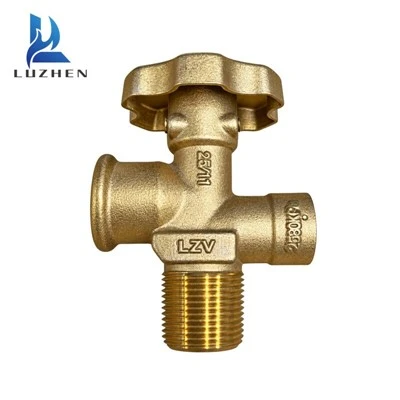
I’ve seen so many people skip accessories to save a few bucks, but let’s be real: a new cylinder valve is way more expensive than a $15 cap, and a flashback arrestor is way cheaper than the damage from a fire or explosion. Our business isn’t just selling parts—it’s making sure your setup is safe, so we only stock accessories that are tested and meet industry standards, no cheap knockoffs that will fail when you need them most.
Specialised Shipping Containers If you’re putting together a new gas cylinder setup, or replacing old accessories, we’ve got all the stuff you need—regulators, hoses, safety gear, stands, caps, gaskets, and more. We can help you pick exactly what fits your gas type, your equipment, and your workplace’s needs, no matter if you’re a small business or a large facility. Reach out to us to chat through your setup, ask questions, or get quotes—we’re here to make sure you’ve got everything you need to work safely and efficiently.
- Occupational Safety and Health Administration (OSHA). Compressed Gas Cylinder Standards.
- Compressed Gas Association (CGA). Guidelines for Gas Cylinder Accessories and Safety.
- National Fire Protection Association (NFPA). Standard for Compressed Gases, NFPA 55.
Shanghai Luzhen SCM Co., Ltd.
As one of the most professional cylinder accessories manufacturers and suppliers in China, we’re featured by quality products and good price. Please rest assured to buy bulk cylinder accessories in stock here and get quotation from our factory. We also accept customized orders.
Address: Workshop 10, Longxing Steel Logistics Park, No. 400 Hutai New Road, Fuqiao Town, Taicang City, Jiangsu Province, China
E-mail: info@lu-chain.com
WebSite: https://www.lu-chain.com/
