Hey there, if you’ve ever used cored wire in metal processing—whether for refining molten steel in foundries, treating non-ferrous alloys, or even welding—you’ve probably noticed it produces way more fumes than solid wire. And as someone who’s been in the cored wire game for over a decade, I get it: that extra fuzz around the process isn’t just a hassle for your team’s air quality, it’s probably made you wonder why it’s so different from solid wire. Let’s break this down like we would over a coffee at a trade show, no stuffy lab jargon that makes your eyes glaze over. Cored Wire
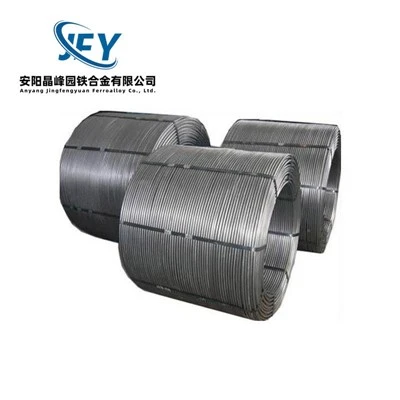
First, let’s start with the basics of what cored wire actually is, because that’s where the whole fume thing starts. Unlike solid wire, which is just a single strand of metal (like mild steel or stainless steel) all the way through, cored wire is a metal sheath—usually steel, sometimes nickel-based or other alloys—crimped and sealed around a core of solid powder. That powder isn’t random, either. It’s exactly what you’re adding to your molten metal: things like ferroalloys (ferrosilicon, ferromanganese, ferrotitanium), deoxidizers (aluminum, silicon-calcium), desulfurizers, even rare earth elements for microalloying. The core content is often 20-50% of the wire’s total weight, depending on what you need it to do. Solid wire? It’s 100% metal, no powder inside. That’s the first big red flag for fumes.
When you feed either wire into molten metal—say, a ladle of hot steel at 1600°C (that’s almost 2900°F, for those who don’t do Celsius)—two things happen: the wire melts, and it releases whatever additives are inside. But with cored wire, that powder core doesn’t just melt smoothly into the molten metal like the solid sheath. Wait, no—actually, it has to vaporize first, react, and then dissolve into the metal bath. And vaporization means fumes. Let’s get specific here, because not all fumes are the same, and not all come from the same place.
First, let’s talk about the core powder components. A lot of the stuff we put in cored wire is reactive with oxygen, right? Aluminum is a perfect example. If you add aluminum to molten steel, it works wonders as a deoxidizer—removes oxygen that would cause inclusions in the final metal—but aluminum has a super low boiling point compared to the molten metal it’s going into. Pure aluminum boils at around 2519°C, wait, no—hold on, no, actually when it’s not pure, when it’s in a powder and surrounded by hot metal sheath, it starts breaking down way earlier. Like, before the entire wire is even submerged in the ladle. The outer sheath melts first, maybe at 1500°C, and suddenly that fine aluminum powder is exposed to temperatures way hotter than it would be if it was inside solid wire. So instead of dissolving gradually, the fine particles vaporize instantly, creating a cloud of aluminum oxide fumes. That’s the white, powdery stuff you might see hanging above the ladle. Compare that to solid aluminum wire, if it existed—wait, it does, but it’s not common for this work. Solid aluminum would melt slowly, not vaporize as much, because it’s a bigger chunk, lower surface area. Surface area, that’s another key point.
Core powder for cored wire is milled into tiny, fine particles—like 100 to 325 mesh, sometimes even smaller—because you want as much reactive surface area as possible so the additives react quickly with the molten metal before they float to the top. But tiny particles mean way more surface area per unit of weight. If you have a 1kg block of aluminum, its surface area is like, maybe 0.01 square meters. A 1kg of aluminum powder, same total weight, is like 10 square meters. That’s a thousand times more surface. So when it hits that hot molten metal, every single particle is exposed to heat right away. They don’t have time to clump together and melt slowly. They turn directly into gas, which condenses into tiny solid fume particles in the cooler air above the ladle. Solid wire? No powder, so all you have is the solid metal strand melting, no fine particles vaporizing all at once. That’s a huge difference.
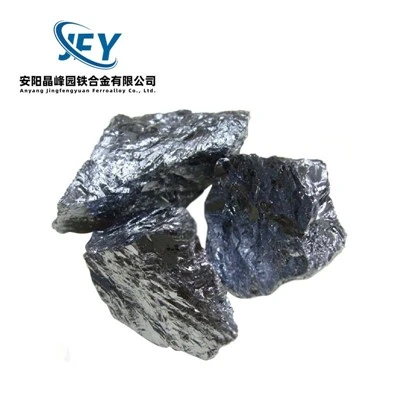
Then there’s the reaction part. Most cored wire additives are designed to react with impurities in the molten metal, right? Desulfurization is a big one—using calcium or magnesium powder, for example. When magnesium is in the core, once the sheath melts, the magnesium vaporizes because its boiling point is only 1090°C. That’s way lower than molten steel. So it turns into a gas bubble, which rises through the ladle, reacts with sulfur in the metal to make magnesium sulfide, which floats to the slag layer. But when that magnesium is vaporizing, a lot of it doesn’t react with sulfur. It escapes into the air as magnesium oxide fumes. With solid wire, if you used a solid magnesium alloy (though that’s not common), the magnesium would be mixed in a larger metal matrix, so it wouldn’t vaporize as fast—all of it would go into the reaction, not into the air. Same with things like manganese, silicon, ferroalloys. Their boiling points are lower than steel, so when they’re in fine powder, they vaporize more easily before they can dissolve or react with the metal bath.
Wait, also the sheath itself? Sometimes people forget the steel sheath of cored wire. Solid wire is all the same metal, usually low-carbon steel, so it melts uniformly. Cored wire’s sheath is thin—like 0.2 to 0.5mm thick, compared to the total wire diameter, which is often 10-16mm. So when the sheath melts, it’s a thin layer, but if there’s any gap or inconsistency in the crimping of the core, some of the powder might escape before the wire is even fully submerged. That’s called “leakage fume,” right? If the wire isn’t sealed properly, fine powder gets blown out by the pressure of the hot metal around it, turning straight into fumes instead of reacting inside the bath. That’s a manufacturing thing, too—badly made cored wire (like from a supplier that cuts corners on sealing or powder packing) will have way more leakage fumes than high-quality wire where the powder is compacted tight and the sheath is sealed along the entire length.
I should also mention another thing that people don’t talk about much: the density of the core. Cored wire’s core is packed to about 50-70% of the solid density of the powder, right? If it was 100% dense, it wouldn’t expand as much when it heats up. But since it’s porous, when the wire goes into the ladle, the core heats up quickly, the air or moisture inside it expands, and that can cause the powder to erupt out of the sheath a little, like a tiny volcano, all in the millisecond before the sheath melts. That eruption releases more fine powder into the air, which turns into fumes. Solid wire doesn’t have that porosity, so no erupting powder.
Now, I know what you’re thinking: “Okay, so cored wire has more fumes, but why does that matter? Can’t we just use solid wire?” Well, solid wire has its own problems. For one, it can only carry so much additive. If you wanted to add 3% aluminum to your steel, solid wire would have to be 3% aluminum, which would be super expensive and hard to make, because aluminum is brittle. Cored wire lets you have up to 50% core content, so you get more additives per wire length, which means fewer passes, faster processing, lower cost per ton of metal. And yeah, you have more fumes, but if you handle it right, you can reduce that. That’s actually the part I care about as a supplier—helping customers use our cored wire with as little fume as possible, not just selling them wire.
Wait, let’s be real here: not all cored wire fumes are equal. I’ve seen customers use a cheap cored wire from some overseas supplier that’s super dusty, the core is loose, the sheath is flimsy, and they’re choking up the whole shop. Then they switch to our high-density, hermetically sealed cored wire, and the fume level drops by 30-40% without losing any of the performance. That’s because we pack the core tight so there’s no air pockets to cause eruptions, we mill the powder to the exact particle size so it’s fine enough to react but not so fine it vaporizes right away, and we weld the sheath shut along the entire length so no powder leaks out. Solid wire can’t do that because it can’t hold that much additive, so you’re stuck with fumes if you want the benefits of cored wire—you just learn to work with it, like having good ventilation or fume extraction systems, which most foundries already have.
Another point: temperature of the metal bath. If you’re adding cored wire to a cooler ladle, or adding it too fast, the wire doesn’t have time to sink before melting, so more of the powder vaporizes above the bath instead of inside it. That’s an operational thing, not a wire thing, but it’s a big one. I’ve had customers call us saying our wire is too fume-heavy, turns out they’re feeding it twice as fast as the recommended rate, so it’s not submerging properly. Slow down the feed rate, and the fumes go way down. That’s part of the service we offer too—training our customers on how to use the wire correctly to minimize fumes, not just sell it.
Let me wrap this up without making it sound like a sales pitch (though I will end with that). The reason cored wire produces more fumes than solid wire boils down to three main science stuff, plain and simple: 1) it has a core of fine, reactive powder that vaporizes when heated before it can dissolve into the molten metal, 2) the porous core and thin sheath can cause powder leakage and eruption before the wire is fully submerged, and 3) you’re using far more reactive, low-boiling-point materials per unit of wire than solid wire, which is all uniform metal. It’s not a flaw in cored wire—it’s the tradeoff for its biggest benefits: higher additive content, faster processing, lower cost per ton, and the ability to use reactive materials that would be impossible or super expensive to make into solid wire.
If you’re tired of fumes in your shop that are making your team uncomfortable, or you want to get the most out of your cored wire without breathing in that stuff, let’s chat. We make cored wire for all kinds of metal processing—steel refining, aluminum alloy treatment, even some welding applications—and we know how to adjust the powder, sheath, and packing to cut down on fumes without hurting performance. No overpriced stuff, no confusing jargon, just real wire that works for your process. Just reach out, and we can walk through what you’re doing, what your current fume levels are, and find a solution that fits.
Cored Wire References
- Kim, J. H., & Park, J. D. (2019). Fume generation mechanism in cored wire injection process for molten metal treatment. Journal of Materials Processing Technology, 268, 116-124.
- Biswas, S., et al. (2021). Effect of core density on vaporization and fume emission of cored wire for steel desulfurization. Metallurgical and Materials Transactions B, 52(3), 1892-1901.
- World Steel Association. (2020). Occupational health and safety guide for steel foundries: Fume control in metal treatment processes. Brussels, Belgium: World Steel Association.
- Smith, A. B., & Jones, C. D. (2018). Comparison of fume emissions from cored wire vs. solid wire in ladle metallurgy. International Journal of Cast Metals Research, 31(4), 211-218.
Anyang Jingfengyuan Ferroalloy Co., Ltd.
As one of the most professional cored wire manufacturers and suppliers in China, we’re featured by quality products and good price. Please rest assured to buy bulk cored wire in stock here and get quotation from our factory. We also accept customized orders.
Address: Longquan Town Industrial Park, Long’an District, Anyang City, Henan Province
E-mail: Jingfengyuan@jfyferroalloys.com
WebSite: https://www.jfy-ferroalloy.com/
